The Japanese holly Plant Advantage: Maximizing Home and Office Appeal and Wellness
1
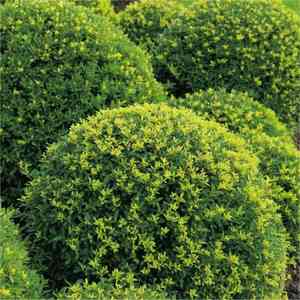
Ilex crenata is a perennial shrub that enhances your landscape's aesthetic appeal throughout the year.
2
Its thick leaves make it suitable for use as a boundary, edging, or low-growing plant.
3
This plant requires minimal care and is not susceptible to numerous typical insects.
Benefits of Incorporating Japanese Holly into Your Garden
Why Japanese Holly Excels in Landscaping Applications?
A primary reason for Japanese holly's popularity among gardeners and landscapers is its versatility. This plant thrives across various soil types and climatic conditions, making it suitable for diverse environments. Its evergreen foliage ensures a consistently vibrant and green garden throughout the year, enhancing visual appeal. Furthermore, Japanese holly exhibits natural resistance to numerous pests and diseases, minimizing the need for chemical interventions and fostering a more sustainable gardening approach.
How Japanese Holly Positively Impacts Soil and Nearby Flora?
Japanese holly provides several ecological advantages, contributing to a healthier garden ecosystem. Its robust root system aids in preventing soil erosion, particularly on sloped terrains or areas prone to water runoff. Over time, Japanese holly can also improve soil structure and fertility by enriching it with organic matter from fallen leaves. The plant's shade and protective cover also establish a microhabitat, encouraging the proliferation of beneficial insects and microorganisms.
Practical Applications of Japanese Holly in Garden Design
Utilizing Japanese Holly for Hedges or Boundary Creation?
Japanese holly is an excellent choice for forming natural hedges or privacy screens due to its dense growth habit. When planted in rows, it creates an effective barrier that can obscure undesirable views or serve as a windbreak. The plant responds well to trimming, allowing for a neat appearance and shaping according to your design preferences. Additionally, a Japanese holly hedge can mitigate noise pollution and foster a sense of seclusion, making your outdoor area more tranquil and private.
Is Japanese Holly Suitable for Ground Cover?
Beyond its use as a hedge, Japanese holly also functions effectively as a ground cover. Its dense, spreading nature makes it ideal for covering expansive areas of bare ground, suppressing weed growth and reducing maintenance efforts. Employing Japanese holly as a ground cover can create a cohesive and lush aesthetic in your garden, especially in shaded spots where grass might struggle. This application is particularly advantageous for banks and slopes, where maintaining traditional turf can be challenging.
Care and Maintenance for Japanese Holly
Key Maintenance Practices for Japanese Holly?
While Japanese holly is relatively low-maintenance, certain care routines can enhance its vitality and appearance. Consistent watering is crucial, especially during the plant's initial establishment phase and dry periods. Applying mulch around the base helps retain moisture and stabilize soil temperature. Occasional pruning is necessary to maintain the desired form and remove any dead or diseased branches. Fertilizing with a balanced, slow-release product can promote vigorous growth and vibrant foliage.
Addressing Common Issues with Japanese Holly?
Although Japanese holly is resilient to many common garden pests and diseases, occasional problems may arise. Aphids and spider mites can sometimes infest the plant, but regular observation and natural predators typically keep them under control. To prevent fungal diseases, ensure adequate spacing between plants for good air circulation and avoid overhead irrigation. If issues persist, consulting a local gardening expert can provide tailored solutions for your specific circumstances.



