The Yellow flag Plant Advantage: Maximizing Home and Office Appeal and Wellness
1
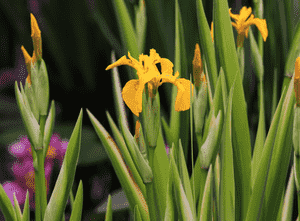
Yellow flag flourishes in damp and saturated ground, ideal for water features.
2
Its vibrant yellow blooms are a notable feature, drawing diverse pollinators to your outdoor space.
3
The plant aids in wetland recovery and prevents soil erosion through its widespread root network.
What Makes Yellow flag Special?
Versatility in Diverse Habitats
Yellow flag exhibits a remarkable capacity to thrive in various environments, especially moist and waterlogged areas. This positions it as an excellent choice for aquatic gardens, ponds, and wetlands. The plant tolerates both fresh and slightly salty water, offering a flexible option for different landscaping needs.
Visually Appealing
Yellow flag is not only practical but also enhances the beauty of any setting. With its vibrant yellow blossoms appearing from late spring to early summer, this plant can introduce a burst of color to your garden. Its flowers are also known to attract various pollinators, such as bees and butterflies, thereby boosting biodiversity in your garden.
Environmental Advantages of Yellow flag
Wetland Restoration Efforts
A key environmental benefit of Yellow flag lies in its contribution to wetland restoration. The plant's extensive root system helps stabilize soil and prevent erosion, making it a valuable asset in re-establishing and preserving wetland ecosystems. This characteristic is particularly useful in flood-prone regions, where erosion can be a significant problem.
Water Purification Capabilities
Yellow flag plays a vital role in purifying water. Its roots are highly effective at absorbing excess nutrients and pollutants from water, making it an excellent natural filter. This ability helps maintain healthier water quality in ponds, lakes, and other water bodies, contributing to a more balanced aquatic ecosystem.
Practical Applications of Yellow flag in Landscaping
Establishing Natural Boundaries
The dense growth habit of Yellow flag makes it an ideal plant for creating natural barriers. Whether you wish to define different areas of your garden or require a natural fence to deter animals, this plant can serve multiple purposes. Its height and thick foliage can provide privacy and a natural demarcation.
Decorative Water Features
Yellow flag is perfect for adding an ornamental touch to water features like ponds, fountains, and artificial lakes. Its ability to flourish in wet conditions means it will grow vigorously without extensive care, making it a low-maintenance choice for enhancing your water landscapes.
How to Successfully Grow Yellow flag
Optimal Growth Requirements
To successfully cultivate Yellow flag, it's essential to provide the correct growing conditions. This plant prefers full sun to partial shade and thrives in moist, well-drained soil. If planting in a garden, ensure the soil remains consistently damp. For aquatic settings, plant it in shallow water where it can establish its roots.
Planting and Care Guidelines
Once the optimal growing conditions are met, planting Yellow flag is relatively simple. Space the plants approximately 18-24 inches apart to allow them room to spread. Regularly remove dead leaves and spent flowers to keep the plant looking its best. Although Yellow flag is quite resilient, occasional monitoring for pests and diseases can help maintain its health.
Common Questions About Yellow flag
Is Yellow flag Invasive?
While Yellow flag offers many benefits, it's crucial to manage its growth properly as it can become invasive in certain regions. Always consult local guidelines and consider planting in controlled environments to prevent unwanted spread.
Can Yellow flag Be Grown in Containers?
Yes, Yellow flag can be successfully cultivated in containers, making it a versatile option for those with limited space. Ensure the container has good drainage and keep the soil consistently wet to mimic the plant's natural habitat.



