The Siberian iris Plant Advantage: Maximizing Home and Office Appeal and Wellness
1
Explore the adaptability of Siberian iris for various landscape and garden designs.
2
Siberian iris is recognized for its capacity to flourish across a range of environmental settings.
3
Appreciate the visual appeal and minimal care requirements of Siberian iris.
What Makes Siberian Iris Unique?
Impressive Visual Charm
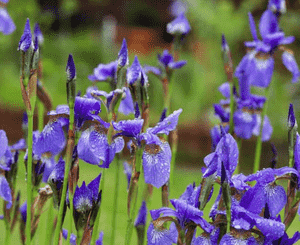
A primary advantage of Siberian iris is its captivating look. With elegant blossoms and vivid hues, Siberian iris brings sophistication to any garden. Its flowers appear in shades of blue, purple, and white, forming a stunning color scheme when grouped together.
Versatility Across Environments
Another key strength of Siberian iris is its adaptability. Unlike many garden plants needing specific conditions, Siberian iris thrives in diverse settings. Whether your garden has a sunny spot or a partially shaded area, Siberian iris can adjust and flourish. This flexibility makes it an excellent choice for gardeners with varied garden layouts and conditions.
Key Advantages of Cultivating Siberian Iris
Minimal Upkeep Needs
Siberian iris is renowned for requiring little maintenance. Once established, the plant needs minimal attention, making it perfect for busy gardeners. Regular watering and occasional feeding are usually enough to keep Siberian iris healthy and vigorous. Furthermore, the plant resists many common pests and diseases, further reducing extensive garden care.
Ecological Contributions
Siberian iris offers several environmental benefits, making it a valuable addition to any garden. Its deep roots help stabilize soil, preventing erosion and enhancing soil quality. Additionally, Siberian iris attracts pollinators like bees and butterflies, boosting biodiversity in your garden. This support for local ecosystems is especially crucial in urban or suburban areas where natural habitats are scarce.
Integrating Siberian Iris into Your Garden Design
Companion Planting Strategies
When planning your garden, consider pairing Siberian iris with other plants. It complements other perennials and ornamental grasses well, creating a harmonious and visually pleasing garden design. By combining Siberian iris with other suitable plants, you can achieve a balanced and flourishing garden ecosystem.
Year-Round Visual Interest
Incorporating Siberian iris into your garden also provides appeal throughout the year. The plant's foliage remains attractive even after blooming, offering texture and color during the growing season. In autumn, the leaves can develop a reddish tint, adding another layer of beauty to your garden landscape.
Caring for Your Siberian Iris
Watering and Soil Requirements
To ensure your Siberian iris's optimal health, proper care is essential. While drought-tolerant once mature, it prefers consistently moist soil. Mulching around the plant's base helps retain soil moisture and regulate temperature. Additionally, planting Siberian iris in well-draining soil prevents waterlogging and root rot.
Pruning and Maintenance Practices
Pruning Siberian iris is a simple task. Removing spent flowers can encourage more blooms and maintain a tidy appearance. In early spring, cutting back last year's foliage to ground level promotes new growth and keeps the plant healthy. With these basic care tips, your Siberian iris will continue to thrive and beautify your garden for years.



