The Chinese juniper Plant Advantage: Maximizing Home and Office Appeal and Wellness
1
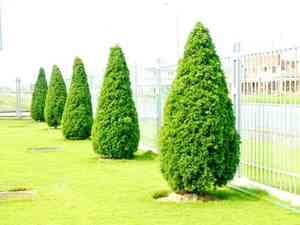
The Chinese juniper is recognized for its adaptable application in garden design and bonsai cultivation.
2
This plant's robust timber finds frequent application in artisanal and building projects.
3
Its fragrant leaves possess insect-repelling qualities and emit a delightful aroma.
Why is Chinese juniper Ideal for Landscaping?
Versatile Growth Habits
Chinese juniper exhibits diverse growth patterns, making it perfect for various landscape requirements. It can be cultivated as ground cover, a shrub, or even a small tree. This adaptability enables homeowners and designers to utilize the plant in numerous ways, creating dynamic and visually pleasing garden layouts.
Low Maintenance Needs
A key attractive feature of Chinese juniper is its minimal care requirements. This plant tolerates drought and thrives in poor soil conditions. It also resists many pests and diseases, making it an excellent option for those seeking greenery without much effort. Little pruning is necessary, and the plant generally retains its form well, suiting both expert and novice gardeners.
Seasonal Appeal
Chinese juniper provides year-round visual interest to gardens and outdoor spaces. Its foliage remains attractive throughout all seasons, and some varieties produce small, berry-like cones that add a charming visual element. The plant also offers beautiful color variations, from vibrant green to blue-green tones, which can brighten any outdoor area.
Environmental Benefits
Beyond its aesthetic uses, Chinese juniper offers several ecological advantages. Its dense leaves can serve as a natural windbreak, helping to reduce soil erosion. It also supports local wildlife, providing shelter and food for birds and small mammals. Incorporating Chinese juniper into your landscaping projects can thus contribute to a healthier, more balanced ecosystem.
What are the Practical Applications of Chinese juniper?
Wood and Craftsmanship
Chinese juniper yields durable wood highly valued in various industries. Its timber resists rot and decay, making it perfect for outdoor furniture, fencing, and decorative items. Artisans frequently use this wood for crafting unique, long-lasting pieces, adding both functional and aesthetic worth to their creations.
Aromatherapy and Pest Control
The fragrant foliage of Chinese juniper offers more than just a pleasant scent. The plant's natural oils possess insect-repelling qualities, making it an effective, eco-friendly choice for pest management. Placing branches or leaves around your home can help deter insects while also refreshing the air. Additionally, essential oils derived from Chinese juniper are often used in aromatherapy to promote relaxation and mental clarity.
How to Grow and Care for Chinese juniper in Your Garden?
Common Issues and Solutions
While Chinese juniper is relatively low maintenance, it can occasionally face problems like dieback or root rot if overwatered. Ensure proper drainage and avoid waterlogged soil to maintain plant health. Pests such as spider mites can be managed with regular inspections and suitable treatments. By following these care guidelines, Chinese juniper can flourish and beautify your garden for many years.
Planting Guidelines
To successfully cultivate Chinese juniper, begin by selecting a well-draining location that receives ample sunlight. The plant prefers sandy or loamy soils but can tolerate various soil types. Dig a hole twice as wide as the root ball and as deep as the container. Place the plant in the hole, backfill with soil, and water thoroughly to aid root establishment.
Watering and Fertilization
Although Chinese juniper is drought-resistant once established, consistent watering is vital during its first year of growth. Allow the soil to dry out slightly between waterings to prevent root rot. Fertilize annually in early spring with a balanced slow-release fertilizer to encourage healthy development. Pruning can be done as needed to maintain the desired shape and size.
How Can Chinese juniper be Used in Bonsai Art?
Popularity in Bonsai Culture
Chinese juniper is a favored choice among bonsai enthusiasts due to its robust nature and attractive appearance. The plant's adaptable growth patterns and appealing foliage make it an ideal candidate for bonsai cultivation. Its strong roots and flexible branches allow for various styling techniques, from formal upright to cascading forms.
Step-by-Step Bonsai Cultivation
Starting with a young Chinese juniper plant, you can begin shaping your bonsai through pruning and wiring. Regular trimming helps maintain the desired form, while wiring allows you to guide branch growth. The plant's resilience means it can endure the stress of these bonsai techniques better than many other species. With proper care, including adequate sunlight, water, and fertilization, your Chinese juniper bonsai can become a stunning, miniature representation of this versatile plant.



