The Hyacinth bean Plant Advantage: Maximizing Home and Office Appeal and Wellness
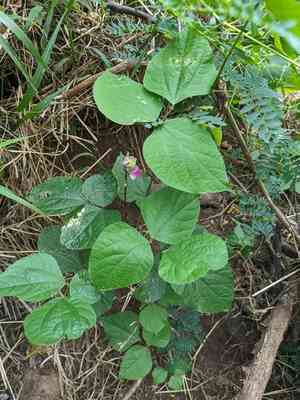
1
Hyacinth bean offers abundant proteins, vitamins, and vital minerals.
2
It enhances soil richness by fixing nitrogen, which aids farming practices.
3
Hyacinth bean serves as animal feed and possesses decorative appeal.
What Nutritional Benefits Does Hyacinth bean Offer?
Rich in Proteins and Essential Amino Acids
Hyacinth bean supplies a substantial amount of protein, making it an excellent dietary supplement, particularly in areas where protein deficiency is prevalent. The plant's seeds, commonly used in various cuisines, contain vital amino acids crucial for bodily functions, fostering muscle tissue growth and repair. Including Hyacinth bean in your diet can help ensure a balanced intake of necessary nutrients.
Packed with Vitamins and Minerals
Hyacinth bean is not only protein-rich; it also boasts an impressive array of vitamins and minerals. The plant contains vitamins A, B, and C, along with minerals such as iron, calcium, and magnesium. These components are essential for maintaining healthy bodily functions, like boosting the immune system, supporting bone health, and enhancing overall vitality. Incorporating Hyacinth bean into your meals can significantly contribute to your daily nutrient requirements.
How Does Hyacinth bean Improve Soil Fertility?
Nitrogen Fixation Properties
One of the prominent environmental advantages of Hyacinth bean is its capacity to fix atmospheric nitrogen through a symbiotic relationship with root bacteria. This process enriches the soil with nitrogen, a crucial nutrient for plant growth. By cultivating Hyacinth bean, farmers and gardeners can enhance soil health, decrease the need for synthetic fertilizers, and promote sustainable agricultural practices.
Crop Rotation and Soil Health
Hyacinth bean serves as an excellent addition to crop rotation systems. When incorporated into crop rotations, it helps disrupt pest and disease cycles, reduces soil erosion, and increases organic matter in the soil. This comprehensive approach not only sustains but also improves soil fertility over time, leading to healthier crops and higher yields in subsequent planting seasons.
What Are the Agricultural Uses of Hyacinth bean?
Forage for Livestock
Hyacinth bean is a valuable forage crop for livestock. Its leaves and stems are highly palatable and nutritious for various animals, including cows, goats, and sheep. Utilizing Hyacinth bean as animal feed can support better livestock health, increase milk production, and offer a cost-effective, natural food source compared to commercial feeds.
Ornamental Use and Landscaping
Beyond its nutritional and agricultural benefits, Hyacinth bean is also valued for its aesthetic appeal. The plant's striking purple flowers and lush green foliage make it an attractive choice for ornamental gardening and landscaping. Whether used in home gardens or public parks, Hyacinth bean enhances visual appeal while also providing ecological benefits such as attracting pollinators and improving air quality.
How Can Hyacinth bean Be Incorporated Into Various Diets?
Versatility in Culinary Applications
Hyacinth bean is incredibly adaptable in the kitchen. The beans can be prepared in numerous waysâboiled, roasted, or even ground into flour for baking. Young pods can be consumed as vegetables, while mature seeds are often used in soups, stews, and salads. This flexibility makes Hyacinth bean a delicious and nutritious addition to various dietary styles, from vegetarian to omnivorous diets.
Cultural Significance and Traditional Recipes
Hyacinth bean holds rich cultural significance in many regions globally. Traditional recipes featuring this plant highlight its integral role in local cuisines. For example, it is a staple in African, Asian, and Latin American dishes. By exploring traditional recipes, you can enjoy the rich flavors and nutritional benefits that Hyacinth bean brings to the table, while also appreciating its cultural heritage.
What Are the Environmental Benefits of Hyacinth bean?
Reduction of Pesticide Use
Hyacinth bean can naturally deter pests and lessen the need for chemical pesticides when integrated into polyculture systems or used as a cover crop. This decrease in pesticide use promotes a healthier ecosystem and lowers the risk of pesticide-resistant pest populations.
Supporting Biodiversity
Cultivating Hyacinth bean supports biodiversity by providing habitat and food for various pollinators and beneficial insects. These contributions help maintain ecological balance, enhance crop pollination, and promote a more resilient agricultural system. By including Hyacinth bean in diverse planting schemes, gardeners and farmers can contribute to fostering a sustainable and healthy environment.



