The Perennial pea Plant Advantage: Maximizing Home and Office Appeal and Wellness
1
Perennial pea is a favored option for decorative gardens due to its attractive blooms.
2
Perennial pea is well-suited for water-wise landscaping in arid regions, as it tolerates dry conditions.
3
Beneficial pollinators are drawn to Perennial pea, which boosts the variety of life in the garden.
What Makes Perennial pea Stand Out?
Distinctive Appearance
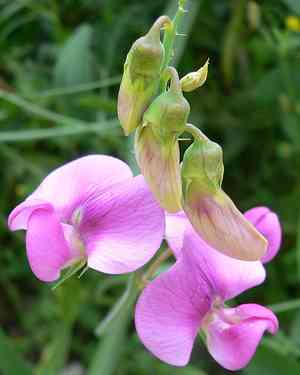
A key characteristic of Perennial pea is its vivid and appealing blossoms. These flowers frequently appear in hues of pink, white, and mauve, making them a delightful addition to any garden. Furthermore, the plant exhibits a climbing growth habit, allowing it to adorn trellises, fences, and arbors with aesthetic grace.
Low Maintenance
Perennial pea is an easy-to-care-for plant that flourishes in diverse soil conditions. It adapts well to sandy, loamy, and even clay soils, provided they offer good drainage. This adaptability makes it an excellent choice for both new and seasoned gardeners. Moreover, its resistance to pests and diseases reduces the need for chemical treatments, fostering a more environmentally friendly gardening approach.
How Can Perennial pea Enhance Your Garden?
Attracting Pollinators
A significant advantage of Perennial pea is its capacity to draw beneficial pollinators such as bees, butterflies, and hummingbirds. These pollinators play a vital role in the ecosystem, assisting in plant reproduction and contributing to biodiversity. By cultivating Perennial pea in your garden, you not only enjoy its beauty but also support the local pollinator population.
Xeriscaping Benefits
Perennial pea is highly drought-resistant, making it an ideal candidate for xeriscapingâa landscaping technique designed to minimize or eliminate the need for irrigation. This feature is particularly advantageous in arid and semi-arid regions where water conservation is crucial. By incorporating Perennial pea into your xeriscape garden, you can reduce water usage and upkeep while still enjoying a vibrant outdoor space.
Where Can Perennial pea Be Utilized?
Ornamental Uses
Perennial pea is often employed in ornamental gardening due to its beautiful flowers and adaptable growth pattern. It can be grown along fences, trellises, and pergolas to introduce vertical interest and color to the garden. Additionally, Perennial pea can be planted in hanging baskets and containers, offering versatility in garden design and placement.
Ground Cover
Beyond vertical gardening, Perennial pea also performs effectively as a ground cover. Its spreading nature allows it to quickly cover large areas, suppressing weeds and providing a lush, green carpet that enhances the landscape. This characteristic makes it a practical option for covering slopes, banks, and other challenging areas where traditional ground covers might struggle.
What Are the Growth Requirements for Perennial pea?
Sunlight and Watering
Perennial pea prefers a location with full sun to partial shade. While it can endure some shade, ample sunlight promotes more vigorous flowering and growth. Regarding watering, Perennial pea is relatively drought-tolerant once established. However, consistent watering during its initial growth phase helps establish a robust root system.
Soil and Fertilization
Although Perennial pea adapts to various soil types, it thrives best in well-drained soils. Incorporating compost or organic matter into the soil can enhance drainage and nutrient content. Fertilization isn't strictly necessary, but an annual application of a balanced fertilizer can encourage healthier growth and more abundant blooms.
How to Propagate Perennial pea?
Seed Propagation
Propagating Perennial pea from seeds is relatively straightforward. Seeds can be sown directly into the garden in late winter or early spring. To boost germination rates, consider scarifying the seeds by nicking the outer shell before planting. Keep the soil moist until the seedlings are well-established.
Cuttings and Division
Another method to propagate Perennial pea is through cuttings or division. Softwood cuttings taken in spring or early summer root easily when placed in a moist rooting medium. Alternatively, established plants can be divided in the fall or spring. Simply dig up the plant, separate it into smaller sections, and replant each section in a prepared garden bed.



