The Sweet pea Plant Advantage: Maximizing Home and Office Appeal and Wellness
1
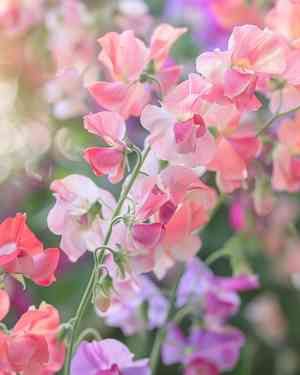
Sweet pea is celebrated for its lovely scent and attractive blooms.
2
This plant assists in drawing in beneficial insects such as bees and butterflies.
3
It can also be utilized to improve the visual charm of your garden.
Why Cultivate Sweet Peas in Your Garden?
Boosting Visual Appeal
A primary motivation for cultivating Sweet Peas in your garden is their striking visual charm. The blossoms of this plant come in various hues, including pink, white, red, purple, and blue. This spectrum enables gardeners to craft vivid and visually impressive displays. Furthermore, the flowers often feature two colors or distinct patterns, adding an extra layer of beauty to your outdoor space.
Captivating Scent
A prominent characteristic of Sweet Peas is their delightful aroma. The sweet fragrance of their blooms can fill your garden and home with a pleasant scent. This perfume not only enhances the sensory experience of your garden but also makes Sweet Peas an excellent choice for floral arrangements and bouquets, bringing the essence of nature indoors with an enchanting smell.
Attracting Beneficial Insects
Beyond its beauty, Sweet Pea plays a vital role in supporting local ecosystems by drawing in pollinators. Bees and butterflies are attracted to the vibrant colors and sweet scent of the flowers, assisting in the pollination of nearby plants. By growing Sweet Peas in your garden, you contribute to the health and sustainability of local wildlife populations.
Cultivating and Caring for Sweet Peas
Planting Sweet Peas
Successful Sweet Pea cultivation involves choosing the correct site and planting at the opportune moment. Select a garden spot that receives direct sunlight for at least six hours daily. Well-drained soil is crucial for preventing root decay, so consider enriching heavy soils with organic matter to improve drainage. The ideal time to plant Sweet Peas is in early spring, as soon as the ground can be worked. Soak the seeds overnight before planting to encourage better germination.
Watering and Fertilizing
Consistent irrigation is essential for robust Sweet Pea growth. Keep the soil uniformly moist, but avoid saturation. Applying mulch around the plant's base can help retain moisture and regulate soil temperature. Fertilizing Sweet Peas with a balanced plant food every few weeks during the growing season will promote vigorous development and abundant flowering. Always adhere to the fertilizer manufacturer's instructions to prevent over-fertilization.
Support and Pruning
As Sweet Peas mature, they may need support to prevent their delicate stems from bending or breaking. Installing trellises or other supports before planting ensures the plant has something to climb. Regular trimming helps maintain the plantâs form and encourages more blossoms. Promptly remove faded flowers to promote continuous blooming throughout the season.
The Adaptability of Sweet Peas in Landscape Design
Creating Striking Borders and Fences
The climbing habit of Sweet Peas makes them an excellent option for crafting beautiful garden edges and covering fences. The plantâs tendrils naturally entwine around structures, forming a living tapestry of color and texture. Utilizing Sweet Peas in this manner can add privacy and aesthetic appeal to your garden, transforming plain fences into vibrant, flowering walls.
Using Sweet Peas in Containers and Hanging Baskets
If garden space is limited, Sweet Peas can also flourish in pots and hanging baskets. This adaptability allows even those with restricted outdoor areas to enjoy the plantâs beauty and benefits. When growing Sweet Peas in containers, select a pot with adequate drainage holes and use a high-quality potting mix. Ensure the container is placed in a sunny location and provide support for the vines to ascend.
Incorporating Sweet Peas into Floral Arrangements
The enduring blooms of Sweet Peas make them a favorite for cut flower displays. Whether you prefer simple bouquets or elaborate floral designs, Sweet Peas add a touch of elegance and charm. Harvest the flowers early in the morning when they are freshest, and place them in water immediately. Combining Sweet Peas with other flowers and greenery creates stunning arrangements that brighten any indoor space.
What Are the Companion Planting Advantages of Sweet Peas?
Enhancing Soil Fertility
Sweet Peas are renowned for their capacity to fix nitrogen in the soil, which can boost the soil's richness and benefit nearby plants. This symbiotic relationship with nitrogen-fixing bacteria means that Sweet Peas can naturally enrich garden soil, lessening the need for chemical fertilizers.
Naturally Deterring Pests
Certain pests are known to avoid Sweet Peas, making them a valuable companion plant for more susceptible species. Growing Sweet Peas alongside other plants can help create a more balanced and healthy garden ecosystem, offering natural pest control and reducing reliance on harmful pesticides.
Promoting Overall Plant Variety
Integrating Sweet Peas into your garden can foster greater plant diversity. This variety is advantageous for cultivating resilient gardens that can better withstand pests, diseases, and environmental stressors. Sweet Peas can be interplanted with vegetables, herbs, and other flowers to create a dynamic and sustainable garden environment.
Frequently Asked Questions Regarding Sweet Peas
Can Sweet Peas thrive in partial shade?
While Sweet Peas perform best in full sun, they can endure partial shade, particularly in warmer climates. However, flowering may be diminished if the plant does not receive sufficient sunlight.
How do I prevent common Sweet Pea diseases?
To prevent common ailments like powdery mildew and root rot, ensure good air circulation around the plants, avoid watering from above, and plant in well-draining soil. Regularly inspect your plants for any disease symptoms and treat promptly with appropriate fungicides if necessary.



