The Coastal doghobble Plant Advantage: Maximizing Home and Office Appeal and Wellness
1
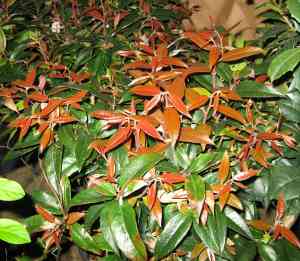
Coastal doghobble is recognized for its appealing evergreen leaves, providing continuous visual interest to your outdoor space.
2
This species flourishes in shaded environments, making it an ideal choice for planting beneath trees.
3
Coastal doghobble demands minimal upkeep and exhibits strong resilience against common pests and illnesses.
Why Select Coastal doghobble for Your Garden?
Distinctive Visual Charm
A primary reason to include Coastal doghobble in your garden is its striking appearance. This plant features shiny, evergreen leaves that maintain their vibrant green hue throughout the year. In autumn, these leaves may develop deep red tones, adding color when many other plants are fading. Its arching branches offer texture and structure, making it an excellent choice for enhancing the visual appeal of shaded or woodland gardens.
Suitability for Dimly Lit Areas
Finding plants that flourish in shaded spots can be difficult. Coastal doghobble thrives in such conditions, making it an ideal option for planting beneath trees or in garden areas receiving filtered sunlight. Its adaptability to various light levels also makes it a versatile addition to mixed borders and naturalistic planting schemes.
Minimal Upkeep Requirements
For those who prefer a low-maintenance garden, Coastal doghobble is an excellent choice. Once established, it needs very little care. This evergreen shrub is drought-tolerant and can endure various soil types, though it prefers well-drained, acidic soil. Consistent watering during the initial establishment phase and occasional trimming to maintain its form are typically all that's needed to keep this plant healthy and attractive.
How Does Coastal doghobble Benefit Local Wildlife?
Supporting Pollinators and Birds
Coastal doghobble serves as a vital resource for various wildlife species. Its blossoms, which appear from late spring to early summer, attract pollinators like bees and butterflies. The small, bell-shaped flowers provide a nectar source when other plants might not be blooming, supporting pollinator populations in your garden.
Providing Shelter and Sustenance
Beyond aiding pollinators, Coastal doghobble also offers habitat and food for birds. Its dense foliage can provide nesting sites and protective cover for small birds. Additionally, some bird species are known to consume the plant's seeds, further integrating it into the local ecosystem.
Integrating Coastal doghobble into Your Landscape Design
Creating Layers and Depth
Coastal doghobble's unique growth habit makes it perfect for creating layers in your garden design. Utilize it as an understory plant to complement taller trees and larger shrubs. Its arching branches and dense foliage help to fill in gaps, creating a lush, full appearance. Furthermore, the plant's ability to blend well with other shade-loving species, such as ferns and hostas, allows you to craft a harmonious landscape.
Enhancing Erosion Control
If your garden is on a slope or in a flood-prone area, Coastal doghobble can provide an effective solution for erosion control. Its deep and fibrous root system helps stabilize soil, reducing erosion and runoff. Planting Coastal doghobble along slopes or near water features not only enhances the visual appeal of these areas but also contributes to the overall health of your garden by preventing soil loss.
What Are the Best Practices for Cultivating Coastal doghobble?
Planting and Soil Preparation
To give your Coastal doghobble the best start, plant it in an area with well-drained, acidic soil. While it can tolerate various soil types, the plant prefers slightly acidic conditions for optimal growth. Amend your garden soil with compost or peat moss if necessary to improve drainage and acidity. Planting in the fall or early spring allows the shrub to establish its roots before the growing season.
Ongoing Care and Maintenance
Once established, Coastal doghobble requires minimal upkeep. Regular watering is crucial during the first year, especially during dry periods, to help the plant develop a strong root system. Annual mulching helps retain moisture and suppress weeds. Pruning is generally not needed, but you can trim back any dead or damaged branches in late winter or early spring to maintain the plant's shape and health.



