The Mammoth wild rye Plant Advantage: Maximizing Home and Office Appeal and Wellness
1
Mammoth wild rye is a very hardy plant capable of flourishing in diverse soil conditions.
2
Its deep root network aids in preventing the loss of topsoil.
3
Mammoth wild rye offers superb sustenance for both wild animals and farm animals.
Why Opt for Mammoth Wild Rye in Your Garden?
Adaptability to Diverse Soil Types
Mammoth wild rye exhibits remarkable hardiness across numerous soil compositions, making it an excellent selection for varied garden settings. From sandy to clayey soils, this plant flourishes without demanding excessive attention or specific conditions.
Aridity Resistance
A primary benefit of Mammoth wild rye is its capacity to endure dry conditions. This plant's ability to withstand extended periods without water makes it perfect for areas prone to droughts, ensuring your garden stays vibrant even in challenging climates.
Advantages for Soil Vitality
Preventing Ground Erosion
Due to its deep and expansive root system, Mammoth wild rye is highly effective at preventing soil degradation. The roots bind the earth, lessening the chance of washouts and landslides during heavy rainfall. This makes it an excellent choice for stabilizing inclines and embankments.
Improving Soil Structure
Not only does Mammoth wild rye prevent erosion, but it also enhances soil composition. Its roots help to loosen compacted soil, facilitating better water penetration and root development for other plants. Consequently, your garden becomes healthier and more sustainable over time.
How Does Mammoth Wild Rye Benefit Wildlife?
Providing Sustenance for Livestock
Mammoth wild rye is a valuable forage plant for farm animals, offering a consistent food source throughout the year. Its nutritional content supports the well-being of various creatures, from cattle to goats, making it a popular option for farmers seeking to diversify their pasture choices.
Creating Animal Habitats
Beyond livestock, Mammoth wild rye serves as an excellent dwelling for diverse wildlife species. Birds, small mammals, and insects find refuge and nourishment within its dense foliage, boosting biodiversity and fostering a balanced ecosystem in your garden.
Practical Applications in Landscaping
Aesthetic Appeal
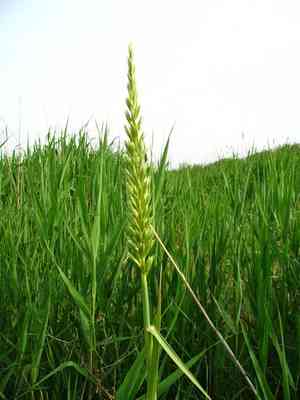
Mammoth wild rye is not only practical but also attractive. Its tall, elegant stems add ornamental value to landscapes, providing visual interest across different seasons. The plant's bluish-green leaves and striking seed heads can act as a focal point in any garden design.
Minimal Upkeep
For those seeking a low-maintenance landscaping solution, Mammoth wild rye fits the description perfectly. Once established, it requires little watering and care, reducing the time and effort needed to maintain a beautiful and functional garden area.
Cultivating and Caring for Mammoth Wild Rye
Planting Recommendations
For optimal results, plant Mammoth wild rye in well-drained soil and a location that receives ample sunlight. Space the plants appropriately to allow for root expansion, which is vital for maximizing their soil-stabilizing advantages.
Maintenance Guidelines
Once established, Mammoth wild rye demands minimal attention. Periodically check for signs of pests or diseases, though these are uncommon due to the plant's robust nature. Water sparingly and permit the soil to dry out between watering sessions to mimic its natural growth conditions.



