The Japanese privet Plant Advantage: Maximizing Home and Office Appeal and Wellness
1
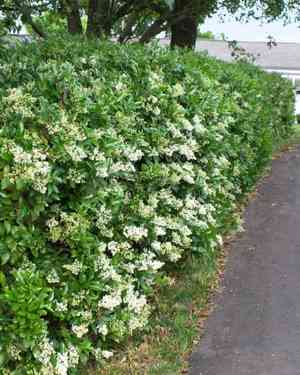
Japanese privet offers superb seclusion due to its thick leaves.
2
Japanese privet requires minimal care and thrives in diverse environments.
3
This flora enhances air purity through pollutant absorption.
What Are the Visual Advantages of Japanese Privet?
Aesthetic Appeal
Japanese privet showcases lustrous, deep green leaves that impart a rich texture to any garden. Its thick growth habit makes it perfect for forming hedges or privacy screens, and its small, fragrant white blossoms offer additional seasonal charm.
Consistent Greenery
Unlike many other shrubs, Japanese privet maintains its green hue throughout the year. This perpetual foliage makes it a dependable option for consistent garden beauty, regardless of the season. The plant's evergreen nature is especially beneficial for sustaining visual interest during colder periods when other plants may shed their leaves.
How Does Japanese Privet Contribute to Environmental Well-being?
Air Cleansing
Japanese privet plays a significant role in enhancing air quality. Its leaves can absorb various pollutants, thereby helping to decrease the levels of harmful chemicals and toxins in the atmosphere. This air-purifying capability makes it particularly valuable in urban settings where pollution levels are often elevated.
Ground Stabilization
The robust root system of Japanese privet is excellent for stabilizing soil. This makes the plant ideal for preventing soil erosion on inclines and other terrains. Its roots bind the soil together, reducing the likelihood of landslides and providing a more stable ground surface.
Why Is Japanese Privet an Essential Plant for Urban Green Spaces?
Minimal Upkeep Requirements
One of the prominent features of Japanese privet is its low maintenance needs. Once established, it demands minimal watering and pruning. Its resilience to various soil types and weather conditions makes it an excellent choice for urban gardeners with limited time.
Sound Reduction
The dense foliage of Japanese privet acts as a natural sound barrier, diminishing noise pollution in urban environments. This makes it an ideal plant for creating serene, quieter outdoor areas in cities, contributing to a more peaceful living environment.
How to Cultivate and Care for Japanese Privet?
Planting Process
Japanese privet adapts to various soil types but thrives best in well-drained soil. When planting, excavate a hole twice the size of the root ball and position the plant so that the top of the root ball is level with the ground. Water thoroughly after planting to aid root establishment.
Ongoing Care
Regular watering is crucial during the initial months after planting. Once established, Japanese privet becomes drought-tolerant and requires minimal irrigation. Prune annually to maintain its form and encourage new growth. Fertilizing the plant with a balanced feed in the spring can also promote vibrant foliage and flowers.
What Are the Wildlife Benefits of Japanese Privet?
Habitat Provision
Japanese privet offers an excellent habitat for various wildlife species. Its dense foliage provides shelter for birds, while its flowers attract pollinators such as bees and butterflies. This makes it a valuable addition to gardens focused on biodiversity.
Food Source
While Japanese privet itself is not a primary food source for humans, its berries provide sustenance for birds and small mammals. This feature makes it an important plant in the ecosystem, supporting wildlife and contributing to ecological balance.



