The Trumpet honeysuckle Plant Advantage: Maximizing Home and Office Appeal and Wellness
1
This plant is a perennial climbing plant, ideal for continuous foliage.
2
It acts as a superb lure for beneficial insects, such as hummingbirds and bees.
3
It needs very little upkeep, making it a favorite among gardeners.
Why Select Trumpet Honeysuckle for Your Garden?
Enhancing Garden Beauty
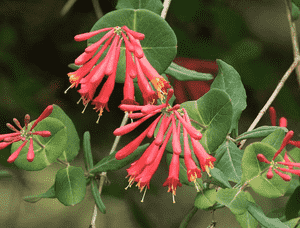
Trumpet honeysuckle is renowned for its vibrant, tubular blooms, appearing in shades of red, orange, and yellow. These vivid flowers introduce a burst of color to any garden, creating a striking display that brightens your outdoor area throughout the year. Gracefully ascending trellises, arbors, or fences, Trumpet honeysuckle can transform otherwise uninteresting spots into focal points of natural splendor.
Attracting Beneficial Wildlife
A key characteristic of Trumpet honeysuckle is its capacity to draw in various pollinators, including hummingbirds and bees. Its nectar-rich flowers offer a vital food source for these advantageous creatures, fostering healthy pollination within your garden. This not only boosts the growth of other plants but also supports local ecosystems by promoting biodiversity.
Minimal Upkeep Requirements
For those desiring a beautiful garden without extensive maintenance, Trumpet honeysuckle is an excellent choice. This resilient plant resists many common pests and diseases, reducing the need for chemical interventions. Furthermore, it requires little pruning and can flourish in diverse soil types and conditions, making it a versatile and robust addition to any garden.
Environmental Advantages of Cultivating Trumpet Honeysuckle
Erosion Prevention
The strong root system of Trumpet honeysuckle aids in soil stabilization, making it an outstanding option for erosion control. Whether planted on slopes or in areas prone to runoff, this plant can effectively anchor soil and prevent erosion, thereby safeguarding the landscape and contributing to environmental preservation.
Air Quality Improvement
Trumpet honeysuckle also contributes to better air quality. Like other green plants, it helps reduce carbon dioxide levels and produces oxygen, which is essential for human and animal life. Incorporating more greenery like Trumpet honeysuckle in urban and suburban environments can help lessen pollution and improve overall air quality.
How to Successfully Grow Trumpet Honeysuckle in Your Garden
Optimal Planting Conditions
To ensure Trumpet honeysuckle thrives in your garden, it's crucial to plant it in a location receiving ample sunlight. While it can endure partial shade, full sun guarantees maximum flowering. Well-drained soil is another key to success; though Trumpet honeysuckle adapts to various soil types, it particularly flourishes in soils with good drainage and moderate fertility.
Watering and Fertilizing Advice
While Trumpet honeysuckle is relatively drought-tolerant once established, consistent watering during its first growing season is vital for strong root development. Fertilizing in early spring with a balanced, slow-release fertilizer will supply the necessary nutrients for vigorous growth and abundant blooms. However, avoid over-fertilizing, as this can lead to excessive foliage growth at the expense of flowers.
Practical Applications of Trumpet Honeysuckle Beyond the Garden
Creating Natural Privacy Barriers
Trumpet honeysuckle can be used creatively to provide natural screening in your landscape. Its dense foliage and climbing habit make it ideal for covering fences, walls, or pergolas, creating a living barrier that ensures privacy while adding a touch of nature.
Enhancing Outdoor Living Areas
Trumpet honeysuckle can also improve outdoor living spaces by creating shaded spots when grown over pergolas or arbors. The cascading flowers not only provide a visually appealing overhead canopy but also offer a fragrant environment for relaxation or outdoor dining. Additionally, the plantâs ability to attract pollinators adds a dynamic and lively ambiance to any outdoor space.



