The Marsh seedbox Plant Advantage: Maximizing Home and Office Appeal and Wellness
1
Marsh seedbox is crucial for sustaining thriving aquatic environments.
2
This adaptable plant aids in preventing soil loss within wetland regions.
3
Marsh seedbox provides visual charm through its lively leaves and blossoms.
What Are the Advantages of Marsh seedbox for Erosion Control?
Prevents Soil Erosion
Marsh seedbox is highly effective at preventing soil erosion in wetland areas. Its extensive root system binds the soil, reducing the likelihood of soil loss during heavy rains or flooding. This helps maintain the integrity of wetland environments and protects them from degradation.
Stabilizes Shorelines
The plantâs strong roots also play a critical role in stabilizing shorelines. By anchoring the soil, Marsh seedbox prevents the movement of sediment and supports the creation of stable, natural barriers against water currents and waves.
How Does Marsh seedbox Enhance Garden Aesthetics?
Vibrant Foliage and Flowers
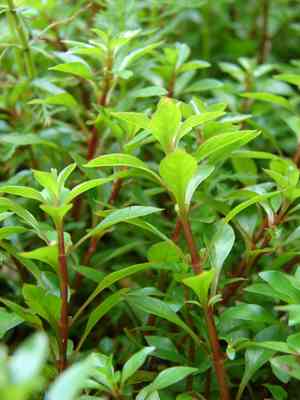
With its lush green leaves and bright flowers, Marsh seedbox provides an eye-catching addition to any garden. Its vibrant colors can create striking contrasts with other plants, enhancing the visual appeal of your landscape.
Seasonal Interest
As a perennial plant, Marsh seedbox offers year-round interest. In the spring and summer, it blooms with colorful flowers, while in the fall, its leaves often turn shades of red and yellow, providing continuous aesthetic value.
Can Marsh seedbox Improve Soil Quality?
Enhances Soil Structure
The roots of Marsh seedbox contribute to improving soil structure. By aerating the soil and promoting the presence of beneficial microorganisms, Marsh seedbox helps create a healthier soil environment. This makes it a valuable addition for gardeners looking to improve soil fertility and plant growth.
Adds Organic Matter
As Marsh seedbox grows and eventually decomposes, it adds organic matter to the soil. This organic matter enriches the soil with essential nutrients, supporting the growth of other plants and contributing to overall soil health.
What Role Does Marsh seedbox Play in Habitat Restoration?
Supports Native Wildlife
In habitat restoration projects, Marsh seedbox is often used to support native wildlife. It provides critical habitat and food resources for a range of species, from insects to birds. By integrating this plant into restoration efforts, ecosystems can recover more effectively and sustainably.
Helps Reestablish Native Vegetation
The plant can also aid in reestablishing native vegetation in degraded areas. Its adaptability to various wet conditions and ability to thrive alongside other native plants make it an excellent candidate for restoring natural landscapes.



