The Wild Perennial Lupine Plant Advantage: Maximizing Home and Office Appeal and Wellness
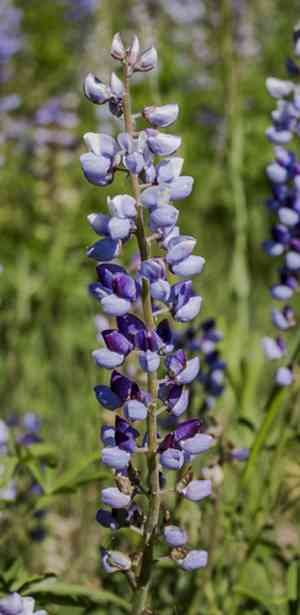
1
Wild Perennial Lupine improves ground richness by fixing nitrogen.
2
Wild Perennial Lupine produces attractive flowers that draw in pollinators.
3
Wild Perennial Lupine supports a healthy ecosystem by offering shelter for animals.
Why Wild Perennial Lupine is a Gardener's Top Choice
Boosts Soil Fertility
Wild Perennial Lupine, a member of the legume family, possesses a unique capacity to convert atmospheric nitrogen into the soil. This significantly enhances soil richness, making it an excellent option for gardeners aiming to naturally enrich their garden beds. Nitrogen-fixing bacteria in its root nodules transform nitrogen gas into a usable form for plants, reducing the need for chemical fertilizers.
Attracts Pollinators
A key characteristic of Wild Perennial Lupine is its vibrant blooms, which draw in pollinators such as bees, butterflies, and hummingbirds. By bringing these beneficial insects to your garden, Wild Perennial Lupine helps ensure the pollination of other plants, leading to a more productive and thriving garden. Pollinators are vital for plant reproduction, and a steady supply can boost your garden's biodiversity.
Provides Erosion Control
Wild Perennial Lupine features a robust root system that helps stabilize soil and prevent erosion. This makes it especially useful for planting on slopes or in areas prone to soil runoff. The plant's root system binds the soil, reducing topsoil loss and improving water infiltration. Consequently, the surrounding environment becomes more resilient to heavy rains and runoff.
Supports Local Wildlife
Beyond its benefits for soil and pollinators, Wild Perennial Lupine also offers habitat and food for local wildlife. Its dense foliage provides shelter for small mammals and birds, while its seeds serve as a food source for many species. By integrating Wild Perennial Lupine into your garden, you contribute to creating a balanced ecosystem, supporting various forms of wildlife and enhancing biodiversity.
Low Maintenance and Hardy
Wild Perennial Lupine is known for being a low-maintenance plant, making it an excellent choice for both new and experienced gardeners. It is drought-tolerant and can thrive in various soil types, including poor and sandy soils. Once established, Wild Perennial Lupine requires minimal watering and care, making it an ideal plant for sustainable gardening practices.
How Wild Perennial Lupine Enhances Biodiversity
Increases Plant Variety
Introducing Wild Perennial Lupine can increase the diversity of plants in your garden, fostering a more varied and resilient ecosystem. Its presence can support a range of other plant species by improving soil conditions and attracting pollinators. A diverse plant community is less susceptible to pests and diseases and can better withstand environmental stresses.
Encourages Beneficial Insects
By attracting pollinators and other helpful insects, Wild Perennial Lupine plays a crucial role in maintaining ecological balance. Beneficial insects like ladybugs, lacewings, and predatory wasps help control pest populations naturally, reducing the need for chemical pesticides. This creates a healthier garden environment and promotes sustainable gardening practices.
Supports Food Webs
The ecological advantages of Wild Perennial Lupine extend beyond the immediate garden. It supports complex food webs by providing resources for various trophic levels, from primary producers (plants) to herbivores and predators. This interconnected web of life contributes to ecosystem stability and resilience, ensuring that various species can thrive together harmoniously.
Promotes Soil Health
Healthy soil is the cornerstone of a flourishing garden. Wild Perennial Lupine improves soil health by enhancing nutrient cycling and maintaining soil structure. Its root system and associated microorganisms help break down organic matter, releasing nutrients back into the soil. This process supports healthy plant growth and contributes to the long-term sustainability of your garden.
Practical Tips for Growing Wild Perennial Lupine
Optimal Growing Conditions
Wild Perennial Lupine thrives in well-drained soils and prefers full sun to partial shade. It adapts to various soil types but performs best in sandy or loamy soils. To ensure optimal growth, plant Wild Perennial Lupine in areas with good air circulation and avoid waterlogged conditions, which can lead to root rot.
Planting and Care Tips
When planting Wild Perennial Lupine, space the seeds or seedlings appropriately to allow for proper growth and air circulation. Water the plants moderately during the establishment phase, but once established, Wild Perennial Lupine requires minimal watering. Prune dead or damaged foliage to maintain plant health and encourage new growth.
Companion Planting
Wild Perennial Lupine pairs well with other native plants and can be used with grasses and wildflowers for a naturalistic garden design. Its ability to improve soil fertility makes it an excellent companion for nutrient-hungry plants. Consider planting Wild Perennial Lupine alongside vegetables or other flowering plants to maximize the benefits of its nitrogen-fixing capabilities.
Pest and Disease Management
Wild Perennial Lupine is relatively resistant to pests and diseases, but it is still essential to monitor your plants for any signs of trouble. Regularly inspect leaves and stems for pests or disease symptoms, and use organic or integrated pest management (IPM) strategies to address issues promptly. Keeping the garden area clean and free of debris can also help prevent pest and disease problems.



