The Mulberry Plant Advantage: Maximizing Home and Office Appeal and Wellness
1
Abundant in essential vitamins and minerals, such as vitamin C and iron.
2
Recognized for its antioxidant qualities, capable of neutralizing harmful free radicals.
3
Frequently incorporated into traditional cooking and natural medicinal practices.
Nutritional Content of Mulberry
Vitamins and Minerals Present
Mulberry is rich in vital vitamins and minerals. Notably, it contains significant amounts of vitamin C, essential for immune system support and collagen synthesis. Additionally, Mulberry is a good source of iron, aiding in red blood cell formation and oxygen transport.
Antioxidant Properties
Antioxidant compounds are abundant in Mulberry, making it an effective natural agent for combating oxidative stress. Antioxidants help neutralize free radicals, lowering the risk of chronic illnesses. Furthermore, these compounds can promote youthful skin and overall cellular health.
Incorporating Mulberry into Your Diet
Culinary Applications
Mulberry can be integrated into a wide range of culinary dishes, from sweet to savory. It can be added to smoothies, salads, and baked goods, offering a burst of flavor and nutritional advantages. Its adaptability makes it a valuable ingredient in both traditional and contemporary cooking.
Edible Components
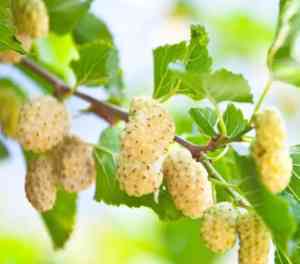
Various parts of Mulberry are edible and can be utilized in diverse culinary preparations. The leaves can be cooked like spinach, while the fruits are typically consumed fresh or dried. Each part provides distinct flavors and textures, offering multiple ways to enjoy this plant.
Traditional Uses of Mulberry
Herbal Remedies
Mulberry has a long history of use in herbal medicine. Traditionally, it has been employed for its perceived health benefits, ranging from improved digestion to general well-being. The versatility of Mulberry makes it a lasting staple in various forms of folk medicine.
Cultural Significance
Beyond its physical advantages, Mulberry holds cultural importance in numerous communities. It has been celebrated in festivals, folklore, and traditional customs. Understanding the cultural context of Mulberry can provide deeper insights into its enduring popularity and utilization.
Mulberry's Benefits for Your Garden
Ease of Cultivation
Mulberry is known for being relatively simple to grow, making it a favorite among gardeners. It can thrive in various soils and climates, often requiring minimal upkeep. This adaptability makes it an excellent addition to both small gardens and large-scale agricultural settings.
Environmental Advantages
Beyond its nutritional and culinary uses, Mulberry can also positively impact the environment. It assists in soil erosion control, provides habitat for beneficial insects, and contributes to overall biodiversity. Growing Mulberry can thus offer both personal and ecological benefits.
Other Applications for Mulberry
Textile Manufacturing
Interestingly, Mulberry is also utilized in the production of silk. The leaves of Mulberry serve as a primary food source for silkworms, which produce silk fibers. This unique application highlights the multifaceted nature of Mulberry and its contributions to various industries.
Natural Dye Production
The fruits of Mulberry can be used to create natural dyes, offering an eco-friendly alternative to synthetic colorants. This application is particularly valued in sustainable fashion and art, where natural materials are preferred for their minimal environmental impact.



