The Lindheimer's muhly Plant Advantage: Maximizing Home and Office Appeal and Wellness
1
Its remarkable ability to withstand dry conditions makes it ideal for desert environments.
2
Offers continuous aesthetic appeal throughout the year due to its distinctive leaves.
3
Draws in helpful creatures to your outdoor space.
Why Lindheimer's Muhly Excels in Landscaping
Versatility Across Climates
A primary advantage of Lindheimer's muhly is its remarkable capacity to adapt to diverse climatic conditions. It performs exceptionally well in regions with challenging weather, including periods of drought and extreme temperatures. Its extensive root system enables it to access deeper water sources, making it highly resistant to dry spells. This adaptability ensures its success where many other plants might struggle.
Minimal Upkeep Requirements
Another significant benefit of Lindheimer's muhly is its low maintenance demands. Once established, this plant needs very little watering, reducing the necessity for constant irrigation and making it an environmentally sound option for sustainable landscaping. Furthermore, it resists pests and diseases, meaning fewer pesticides and chemical treatments are required. This ease of care is perfect for busy homeowners and professional landscapers aiming to lessen long-term upkeep efforts.
Boosting Visual Appeal
Year-Round Aesthetic Interest
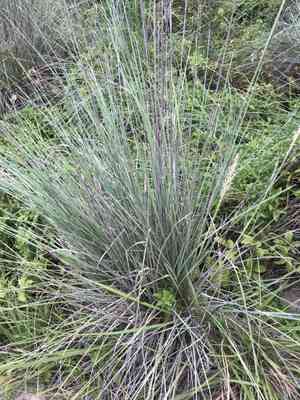
The distinctive foliage of Lindheimer's muhly provides continuous visual appeal, making it a favored choice for decorative landscaping. Its tall, elegant stalks and airy, plume-like blossoms introduce movement and texture to garden designs. The leaves can change color with the seasons, offering a dynamic and captivating display throughout the year. Whether used as a focal point or in mass plantings, Lindheimer's muhly adds grace and charm to any outdoor area.
Flexibility in Garden Design
Lindheimer's muhly is exceptionally adaptable, rendering it suitable for various landscape design approaches. It can be incorporated into formal gardens, naturalistic settings, and even xeriscaping projects. Its ability to integrate seamlessly with both perennials and annuals makes it a valuable asset for crafting diverse and visually pleasing garden compositions. Moreover, its height and form can be utilized to establish structure and definition in larger landscape endeavors.
Ecological Advantages
Supporting Local Wildlife
Beyond its aesthetic and practical merits, Lindheimer's muhly plays a vital role in sustaining local ecosystems. Its flower plumes attract various pollinators, such as bees and butterflies, which are crucial for maintaining biodiversity. Additionally, the plant offers shelter and food for small birds and other wildlife, fostering a thriving habitat within your garden. This ecological friendliness makes Lindheimer's muhly an excellent choice for environmentally-aware gardeners.
Soil Erosion Prevention
Lindheimer's muhly is also crucial for preventing soil erosion, thanks to its robust root system. It effectively binds the soil, preventing erosion in areas prone to runoff and degradation. This makes it a valuable plant for stabilizing slopes, banks, and other vulnerable areas. By selecting Lindheimer's muhly, you can contribute to preserving soil health and reducing the impact of erosion on your landscape.
Caring for Lindheimer's Muhly
Optimal Planting Conditions
Planting Lindheimer's muhly is straightforward, provided you select the correct conditions. It thrives in well-drained soil and prefers full sun to partial shade. When planting, ensure the soil is rich in organic matter and not compacted. Although it is drought-tolerant once established, providing sufficient water during the initial growing season will help the plant develop a strong root system.
Trimming and Upkeep Advice
Maintaining Lindheimer's muhly is relatively simple. While it doesn't require frequent watering, occasional deep irrigation during extended dry periods can keep it looking its best. Pruning is typically performed in late winter or early spring to remove dead or damaged foliage and to encourage new growth. By cutting back the stems to the base, you can promote a healthier and more vigorous plant. Regular mulching can also help retain soil moisture and suppress weed growth around the base.



