The Catnip Plant Advantage: Maximizing Home and Office Appeal and Wellness
1
Catnip serves as an organic pest deterrent, safeguarding your plants from unwanted insects.
2
This herb is well-known for its soothing influence on felines, offering amusement and tranquility.
3
Catnip is simple to cultivate and care for, making it ideal for novice plant enthusiasts.
Key Advantages of Catnip
Natural Pest Deterrent
Catnip serves as an excellent natural insect deterrent. It contains nepetalactone, a compound effective against pests like mosquitoes, roaches, and flies. Incorporating Catnip into your garden can lessen the need for chemical pesticides, fostering a safer environment for both you and your pets.
Benefits for Felines
A prominent advantage of Catnip is its impact on cats. When exposed to Catnip, cats frequently display playful and relaxed behaviors. This offers considerable amusement and stress relief for both the cat and its owner. Cultivating Catnip in pots or garden beds ensures your feline companions always have access to this natural stimulant.
Simple to Cultivate
Catnip is remarkably easy to grow and maintain. It thrives in diverse soil types and needs minimal watering, making it perfect for beginner gardeners. Whether planted directly in the ground or in containers, Catnip can quickly become a lush, green addition to any garden. Regular trimming promotes new growth and keeps the plant healthy and vibrant.
Visual Appeal
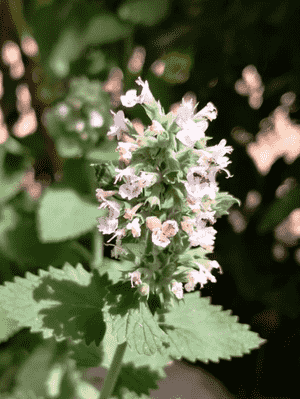
Beyond its practical uses, Catnip adds aesthetic charm to any garden space. The plant produces delicate, lavender-hued blossoms that attract beneficial insects such as bees and butterflies. Its foliage is also visually pleasing, contributing a touch of greenery to your garden's design.
Integrating Catnip into Your Garden
Companion Planting Strategies
Catnip functions well as a companion plant in your vegetable or herb garden. Its insect-repelling qualities can safeguard more vulnerable plants from pests. For instance, planting Catnip near tomatoes, beans, or squash can help keep these plants pest-free and thriving.
Container Cultivation
If space is limited, consider growing Catnip in containers. This allows for easy relocation of the plant, whether for more sunlight or protection from severe weather. Container gardening also enables better control over soil quality and drainage.
Establishing a Cat-Friendly Garden
For cat owners, dedicating a small area of your garden to Catnip can create an outdoor haven for your feline friends. Alongside Catnip, you can plant other cat-friendly herbs like mint and valerian to offer a variety of scents and textures that cats adore.
Harvesting and Utilizing Catnip: Essential Information
Harvesting Recommendations
Catnip is best harvested just before its flowers bloom. This is when its essential oils are at their peak potency. Use sharp scissors or pruning shears to cut the stems, and consider harvesting in the morning when the plant is fully hydrated.
Drying and Storage Methods
To preserve Catnip's benefits, you can dry its leaves and flowers. Hang the harvested stems upside down in a cool, dark place with good air circulation. Once dried, store the Catnip in an airtight container away from direct sunlight.
Applications in Home Remedies
Beyond its garden advantages, Catnip can be used in various home remedies. Dried Catnip leaves can be brewed into a soothing tea that aids relaxation. The plant can also be used in sachets to deter insects indoors, offering a natural alternative to chemical repellents.
Seasonal Catnip Care Guide
Spring and Summer Maintenance
During the active growing season, Catnip requires minimal attention. Ensure it is planted in well-draining soil and receives adequate sunlight. Water the plant regularly, but be careful not to overwater, as Catnip prefers slightly dry conditions.
Fall and Winter Upkeep
In autumn, prune Catnip back to encourage new growth in the spring. If you reside in a region with harsh winters, consider mulching around the base to protect the roots from freezing temperatures. Alternatively, potted Catnip can be brought indoors for the winter.



