The Silk-reed Plant Advantage: Maximizing Home and Office Appeal and Wellness
1
Silk-reed is a robust plant capable of flourishing in diverse settings.
2
The strands derived from Silk-reed find application in sustainable artisanal products.
3
Silk-reed contributes to averting soil degradation and improving ground vitality.
How Does Silk-reed Aid in Soil Preservation?
Erosion Prevention
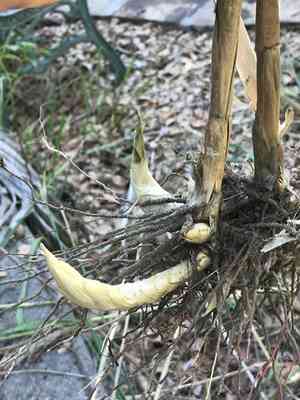
A key benefit of Silk-reed is its capacity to prevent soil loss. Its dense root structure stabilizes the earth, making it less vulnerable to erosion from wind and water. This characteristic is especially valuable in areas prone to landslides and soil degradation.
Soil Restoration
Silk-reed also contributes to soil revitalization. Its organic matter enriches the ground, boosting its fertility and encouraging the growth of other plant species. This restorative quality makes it a vital component in reforestation and land recovery initiatives.
What Are the Environmental Benefits of Silk-reed?
Wildlife Habitat
Silk-reed offers a home for various animal species. It provides refuge and sustenance for birds, insects, and small mammals, enhancing the area's biodiversity. This ecological function highlights its importance in maintaining balanced ecosystems.
Carbon Capture
By growing robustly, Silk-reed absorbs a significant amount of carbon dioxide from the atmosphere. This helps alleviate the impacts of climate change by lowering greenhouse gas levels. The plant thus plays a crucial role in global carbon management strategies.
How Is Silk-reed Employed in Sustainable Crafts and Industry?
Eco-friendly Materials
The fibers derived from Silk-reed are used to create various environmentally friendly products, including ropes, mats, and paper. These natural fibers are biodegradable and often substitute synthetic materials, reducing plastic pollution and promoting sustainability.
Renewable Resource
As a fast-growing plant, Silk-reed is considered a sustainable resource. It can be harvested without causing lasting environmental harm, making it an excellent choice for industries aiming to minimize their ecological footprint.
What Are the Advantages of Silk-reed in Landscape Design and Gardening?
Visual Appeal
Silk-reed is valued for its aesthetic qualities. With its tall, elegant stalks and feathery plumes, it adds a decorative element to gardens and public spaces. Landscape designers frequently use it to create visually striking arrangements.
Low Upkeep
Another benefit is its minimal maintenance requirements. Silk-reed is drought-tolerant and can thrive in poor soil conditions, making it a practical option for low-maintenance landscaping projects. Its resilience ensures it needs little attention, saving time and resources.
How Does Silk-reed Support Traditional and Contemporary Applications?
Traditional Uses
In many cultures, Silk-reed has been utilized for centuries in customary practices. Its strong fibers are fashioned into items such as baskets and hats, reflecting its integral role in cultural heritage and daily life.
Modern Developments
Contemporary innovations have also leveraged Silk-reed's characteristics. Researchers and industry professionals continue to explore new ways to capitalize on its strength and sustainability, leading to innovative applications in textiles, construction, and more.



