The Tree peony Plant Advantage: Maximizing Home and Office Appeal and Wellness
1
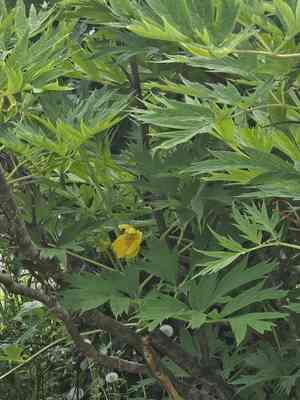
The tree peony is highly valued for its magnificent, colorful blossoms that appear in springtime.
2
This botanical specimen can elevate any garden environment with its abundant leaves and visual charm.
3
Tree peony has a long history of cultivation in decorative gardening for hundreds of years.
Why Select Tree Peony for Your Garden?
Exceptional Flowers and Visual Appeal
Tree peony is renowned for its magnificent, large blossoms, available in various hues, including white, pink, red, and lavender. These flowers are not only striking but also help create a tranquil and inviting ambiance in any garden. The blooms are often fragrant, adding another sensory delight to the visual spectacle.
Adaptable Landscaping Plant
This plant is incredibly adaptable and can be incorporated into diverse landscaping schemes. Whether utilized as a centerpiece, part of a flower bed, or as a solitary specimen, Tree peony imparts elegance and sophistication to any garden layout. It harmonizes well with other plants, such as hostas and ferns, fostering a balanced and cohesive garden environment.
How Do You Maintain Tree Peony?
Planting and Soil Requirements
Tree peony flourishes best in well-drained, fertile soil. For optimal growth, it's crucial to plant it in a location that receives partial to full sunlight. Given the plant's need for good drainage, elevated beds or properly prepared ground plots are ideal settings. Incorporating compost or organic matter can further improve soil quality, supplying the necessary nutrients for development.
Watering and Fertilization
While Tree peony is relatively low-maintenance, consistent watering is vital, especially during dry periods. Aim to keep the soil moderately moist but never waterlogged. Excessive watering can lead to root rot, which is detrimental to the plant's health. A balanced fertilizer applied in the spring can support vigorous blooming and foliage growth.
What Are the Optimal Growing Conditions for Tree Peony?
Climate Resilience
Tree peony is quite adaptable regarding climate. It can endure harsh winters and hot summers, making it suitable for a broad range of geographical areas. However, it's best to verify your specific zone hardiness to ensure compatibility. Providing adequate mulch during winter can shield the roots from extreme cold, further enhancing the plant's robustness.
Pest and Disease Resistance
Tree peony is generally resistant to many common garden pests and diseases. Nevertheless, it's prudent to monitor the plant for any signs of trouble, such as wilted leaves or discolored blooms. Regular inspection and maintenance of the plant's health can prevent issues from escalating and ensure lasting beauty and vitality.
Can Tree Peony Be Integrated into Landscaping and Design?
Creating Focal Points
One of the prominent attributes of Tree peony is its capacity to serve as a stunning focal point in any garden. Its impressive height and abundant blooms draw attention and can become a central feature in your outdoor space. Whether positioned at the center of a flower bed or along a pathway, it commands notice and admiration.
Complementary Plantings
To maximize the aesthetic impact of Tree peony, consider pairing it with complementary plants. Shrubs, ground covers, and perennials are excellent companions that can enhance its beauty. Thoughtful placement and combination with other plants can create a visually appealing and harmonious garden design.
Are There Any Distinctive Characteristics of Tree Peony?
Longevity and Perennial Nature
One of the unique traits of Tree peony is its long lifespan. This perennial plant can thrive for many years, becoming a permanent fixture in your garden. With proper care, it can bloom season after season, providing enduring beauty and enjoyment.
Cultural Importance
Tree peony holds cultural and historical significance in various parts of the world. It has been cultivated and prized for its ornamental qualities for centuries, often symbolizing prosperity and good fortune. This rich cultural background adds another layer of appreciation for this magnificent plant.



