The Creeping phlox Plant Advantage: Maximizing Home and Office Appeal and Wellness
1
Creeping phlox draws in beneficial insects such as bees and butterflies to your outdoor space.
2
This adaptable ground cover flourishes in diverse soil conditions.
3
Creeping phlox offers brilliant hues in early spring while numerous other plants remain inactive.
Why is Creeping Phlox an Excellent Ground Cover?
Aesthetic Appeal
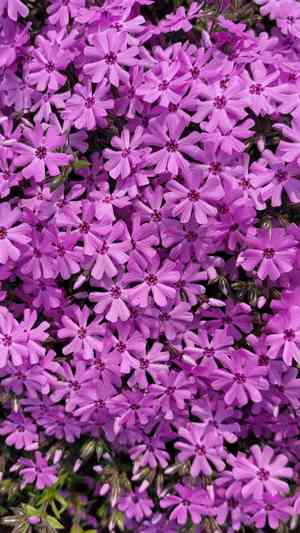
A key characteristic of Creeping phlox is its visual charm. This plant forms a vibrant carpet of blossoms, spanning hues from pinks and purples to whites and blues. Its foliage stays green for most of the year, ensuring your garden remains lively even when not in full bloom. Beyond adding color, Creeping phlox's dense growth helps suppress weeds, keeping your garden neat and easy to maintain.
Soil Stabilization
Creeping phlox is especially effective for preventing soil erosion, thanks to its thick, spreading growth habit. The plant's extensive root system helps secure soil on inclines or banks, preventing erosion caused by wind and water runoff. By planting Creeping phlox in areas prone to erosion, you can establish a more stable and sustainable landscape.
How Does Creeping Phlox Benefit the Ecosystem?
Pollinator Attraction
One ecological advantage of Creeping phlox is its capacity to draw in pollinators like bees, butterflies, and other beneficial insects. These pollinators are vital for plant reproduction, including many food crops. By growing Creeping phlox in your garden, you not only enhance its beauty but also contribute to a healthier, more productive ecosystem.
Beneficial Insect Habitat
Besides attracting pollinators, Creeping phlox provides a home for various beneficial insects. These insects can naturally control garden pests, reducing the need for chemical pesticides. For instance, ladybugs and lacewings are known to consume aphids, a common garden pest. By offering a habitat for these helpful insects, Creeping phlox fosters a balanced and healthy garden environment.
Is Creeping Phlox Simple to Maintain?
Minimal Upkeep Needs
A significant advantage of Creeping phlox is its low-maintenance nature. This plant is drought-tolerant once established and requires little watering, making it ideal for gardens in areas with water restrictions. Furthermore, Creeping phlox is relatively resistant to pests and diseases, meaning you won't spend much time addressing common garden issues. A light trim after the flowering season is usually enough to keep the plant looking its best.
Adaptability to Diverse Soils
Creeping phlox is highly adaptable and can flourish in various soil conditions, from sandy to clay. It prefers well-drained soil but tolerates less-than-ideal conditions, making it a versatile option for different garden settings. Whether you have a rock garden, a border, or a container garden, Creeping phlox can seamlessly integrate into your landscape, offering beauty and utility throughout the year.
Why Select Creeping Phlox for Your Garden?
Early Spring Bloom
A key characteristic of Creeping phlox is its early spring bloom, a period when many other plants are still dormant. This early flowering provides much-needed color to your garden after the long winter. It also offers an early nectar source for pollinators emerging from hibernation, giving them a head start in the new growing season.
Landscaping Versatility
Creeping phlox is an excellent choice for various landscaping uses. Its low-growing, spreading habit makes it perfect for ground cover, rock gardens, and even hanging baskets. It can be used to fill gaps between stepping stones, cascade over walls, or create a colorful border along walkways. The plant's versatility allows you to experiment with different garden designs and concepts, ensuring you maximize your landscaping efforts.



