The White spruce Plant Advantage: Maximizing Home and Office Appeal and Wellness
1
White spruce is recognized for its impressive capacity to enhance air purity by taking in contaminants.
2
This species is a preferred choice for natural garden design because of its hardiness and visual charm.
3
White spruce provides substantial ecological advantages, such as stopping soil degradation and offering shelter for animals.
What Makes White spruce Environmentally Beneficial?
Air Purification
White spruce excels at enhancing air quality by absorbing airborne pollutants. This makes it a valuable addition to both urban and rural environments where air quality can be a concern. The plant's thick foliage acts as a natural filter, removing contaminants and releasing clean oxygen.
Soil Erosion Control
White spruce is highly effective in combating soil erosion. Its robust root system binds the soil, preventing it from washing away during heavy rains or strong winds. As a result, it can be an excellent choice for planting in areas prone to erosion.
How Does White spruce Contribute to Biodiversity?
Habitat for Wildlife
This plant serves as a habitat for various species of wildlife, including birds and small mammals. Its dense branches provide shelter, while its seeds offer a rich food source. By planting White spruce, you are contributing to the preservation of local biodiversity.
Promotes Beneficial Insects
White spruce also attracts beneficial insects such as pollinators that are essential for the health of many ecosystems. These insects play a crucial role in pollinating plants and supporting the growth of fruits and vegetables.
Why White spruce is Ideal for Landscaping?
Aesthetic Appeal
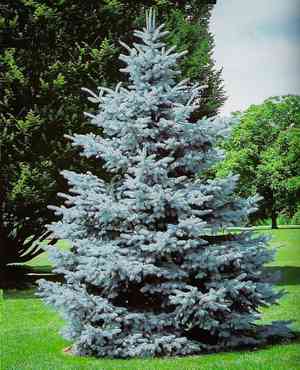
White spruce's dense foliage and symmetrical shape make it a popular choice for landscaping. Whether used as a standalone specimen or planted in groups, it enhances the visual appeal of any space. Its evergreen nature ensures that it remains visually attractive year-round.
Resilience and Durability
White spruce is remarkably resilient to various environmental conditions, including extreme temperatures and poor soil quality. This makes it an ideal choice for gardeners seeking a low-maintenance plant that requires minimal care.
How to Cultivate White spruce Effectively?
Planting Conditions
White spruce thrives in well-drained soil and can tolerate a range of pH levels. It prefers full sun to part shade and requires minimal watering once established. Proper spacing is crucial to allow adequate air circulation and reduce the risk of disease.
Maintenance Tips
Pruning White spruce regularly helps maintain its shape and encourages healthy growth. Mulching around the base can help retain moisture and keep the roots cool. Although generally low-maintenance, occasional inspections for pests and diseases can ensure the plant remains healthy.



