The Japanese red pine Plant Advantage: Maximizing Home and Office Appeal and Wellness
1
The Japanese red pine improves ground conditions and aids neighboring flora.
2
Its volatile compounds possess inherent soothing effects.
3
Its visual charm and perpetual verdure establish it as a favored landscape option.
How Does Japanese red pine Improve Soil Quality?
Nutrient-Rich Soil
A primary advantage of Japanese red pine is its capacity to improve ground quality. Its needles decompose slowly, returning valuable nutrients to the earth. Over time, this fosters a fertile environment that supports the growth of diverse plants in your garden. Specifically, it releases nitrogen, phosphorus, and potassium, vital for plant health and development.
Erosion Control
Beyond enriching the soil, Japanese red pine also plays a key role in preventing erosion. The plant's extensive root system helps stabilize the ground, reducing the risk of landslides and washouts. This makes it an excellent choice for sloped areas or regions prone to heavy rainfall. By planting Japanese red pine, you contribute to a more stable and sustainable environment.
What Are the Health Benefits of Japanese red pine?
Aromatherapy and Stress Relief
Essential oils from Japanese red pine are well-known for their calming effects. These oils can be used in aromatherapy to help lessen stress and anxiety. The fresh, pine scent promotes relaxation and mental clarity, offering a natural way to boost your well-being. You can use pine-scented candles, diffusers, or make your own essential oil blends to enjoy these benefits.
Air Purification
In addition to its soothing qualities, Japanese red pine also functions as a natural air purifier. The plant releases compounds called phytoncides, which possess antibacterial and antifungal properties. This helps cleanse the air by reducing the presence of harmful pathogens. Integrating Japanese red pine into your living space, whether indoors or outdoors, can lead to cleaner, fresher air.
Why Is Japanese red pine a Popular Choice for Landscaping?
Aesthetic Appeal
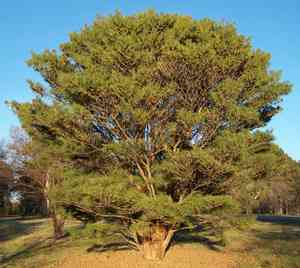
Japanese red pine is highly valued in landscaping due to its striking look and year-round green foliage. Its dense, elongated needles provide a lush, green backdrop that complements various garden designs. Its vibrant bark, ranging from reddish-brown to orange-red, adds a unique visual element that can enhance your garden's overall aesthetic.
Low Maintenance
Another significant benefit of Japanese red pine is its low maintenance nature. Once established, the plant requires minimal care, making it an ideal choice for those who prefer a low-effort garden. It is drought-resistant and can thrive in various soil types, provided they are well-drained. Regular watering during initial growth and occasional pruning are usually enough to keep the plant healthy and vibrant.
How Can You Cultivate Japanese red pine in Your Garden?
Planting Guidelines
To successfully grow Japanese red pine, it's crucial to select an appropriate planting spot. The plant prefers full sun to partial shade and well-drained soil. Dig a hole twice as wide but just as deep as the root ball to allow ample room for growth. Place the plant in the hole, backfill with soil, and water thoroughly. Adding a layer of mulch around the base can help retain moisture and suppress weeds.
Care and Maintenance
Once planted, Japanese red pine needs very little upkeep. Ensure the plant receives sufficient water during its first few years to establish a strong root system. Pruning is generally not required, but removing dead or damaged branches can encourage healthy growth. Fertilizing once a year with a balanced fertilizer can also support its development. By following these simple guidelines, you can enjoy the beauty and benefits of Japanese red pine for many years.
What Wildlife Is Attracted to Japanese red pine?
Supporting Local Ecosystems
Japanese red pine serves as an important habitat and food source for various wildlife species. Birds, squirrels, and insects are particularly drawn to this plant. Its seeds provide sustenance, while its dense foliage offers shelter and nesting sites. By incorporating Japanese red pine into your garden, you can support local biodiversity and create a thriving ecosystem.
Pollinator Attraction
In addition to supporting wildlife, Japanese red pine also attracts pollinators such as bees and butterflies. These beneficial insects are vital for the pollination of various plants, contributing to a healthy and productive garden. The presence of Japanese red pine can enhance the overall vitality of your garden ecosystem, promoting a balanced and sustainable environment.



