The Japanese white pine Plant Advantage: Maximizing Home and Office Appeal and Wellness
1
A visually appealing option for outdoor spaces, this plant elevates the look with its distinct leaves.
2
It contributes to ecological well-being by cleansing the atmosphere and providing cover.
3
Easy to care for and robust, making it suitable for various landscape designs.
How Does Japanese white pine Enhance Garden Aesthetics?
Unique Foliage and Structure
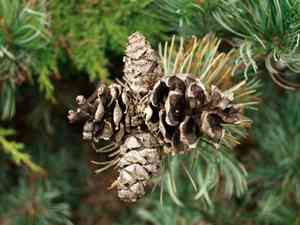
A prominent characteristic of Japanese white pine is its needle-like leaves, which impart a distinct texture to any garden setting. Its dense, clustered needles create an appealing visual that stands out in both classic and contemporary landscapes. The tree's form, often exhibiting a sculptural quality, adds a dynamic visual component that can serve as a focal point or a complementary background in garden designs.
Seasonal Beauty
Throughout the year, Japanese white pine offers changing views that keep gardens vibrant across all seasons. In winter, its evergreen needles provide much-needed greenery, while in summer, their deep green tones create a refreshing sanctuary. The occasional appearance of small cones adds an extra layer of interest, making this plant a dynamic and engaging feature in any landscape.
What Environmental Benefits Does Japanese white pine Offer?
Air Purification
One of the significant environmental contributions of Japanese white pine is its capacity to cleanse the air. The plant's needles function as natural air filters, absorbing pollutants and releasing clean oxygen. This not only improves the air quality around your home but also contributes to broader environmental health.
Shade and Temperature Regulation
Beyond purifying the air, Japanese white pine provides practical environmental advantages such as offering shade. Its thick foliage can create cooler microclimates within gardens, helping to moderate temperatures and lessen the need for artificial cooling. This makes Japanese white pine an energy-efficient addition to outdoor areas.
How Does Japanese white pine Benefit Biodiversity?
Habitat for Wildlife
Japanese white pine plays a vital role in supporting local biodiversity. Its dense branches and needles offer shelter and nesting sites for various bird species and small mammals. The presence of these creatures can enrich your garden's ecosystem, fostering a healthier and more balanced environment.
Supporting Pollinators
While Japanese white pine is not primarily recognized for its blossoms, it can still contribute to supporting pollinators. The small cones and occasional pollen production can attract insects, which in turn aid the wider pollination requirements of your garden. This makes Japanese white pine a valuable plant in maintaining ecological equilibrium.
Why is Japanese white pine Ideal for Landscaping?
Low Maintenance
A key advantage of Japanese white pine is its minimal upkeep requirements. This resilient plant needs little watering once established and is relatively resistant to pests. Its robust nature means it can thrive in various soil types and weather conditions, making it an excellent choice for gardeners seeking a low-effort yet impactful plant.
Versatility
Japanese white pine's adaptability extends to its use in diverse landscaping styles. Whether you are designing a traditional Japanese garden, a modern minimalist space, or a lush, verdant landscape, this plant can be integrated seamlessly. Its varied growth forms, from dwarf varieties to full-sized trees, provide ample options to suit different spatial requirements and design preferences.
How Does Japanese white pine Promote Well-being?
Stress Reduction
The psychological advantages of incorporating Japanese white pine into your garden are considerable. Gardens featuring this plant have been shown to foster relaxation and decrease stress. The act of tending a garden, combined with the calming presence of greenery, can significantly improve mental well-being, making Japanese white pine a valuable companion in creating therapeutic outdoor spaces.
Enhanced Connection with Nature
Interacting with Japanese white pine cultivates a deeper bond with nature, encouraging mindfulness and a sense of peace. The plant's beauty can inspire contemplation of the natural world, fostering a greater appreciation for the environment. This connection not only enhances personal well-being but also motivates more sustainable and ecologically conscious practices.



