The Japanese black pine Plant Advantage: Maximizing Home and Office Appeal and Wellness
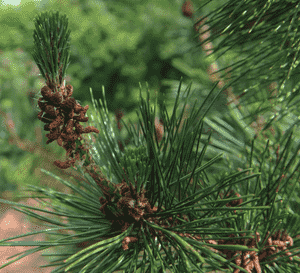
1
The Japanese black pine exhibits strong resilience to wind and saline conditions, making it well-suited for seaside environments.
2
Its thick canopy offers superb seclusion and acts as a wind barrier.
3
With its distinctive, sculpted shape, the Japanese black pine enhances the visual charm of outdoor spaces.
Why Select Japanese Black Pine for Your Outdoor Space?
Durability and Vigor
Japanese black pine is celebrated for its durability and vigor. Regardless of whether your location is coastal with strong winds and saline air or an inland garden, Japanese black pine can endure difficult circumstances. Its capacity to flourish in poor soil and withstand severe weather makes it a dependable option for gardeners seeking resilient yet easy-care plants.
Screening and Wind Protection Benefits
A key benefit of Japanese black pine is its dense foliage, which functions as an excellent natural barrier. This makes it ideal for establishing privacy screens around your property. Furthermore, its role as a windbreak helps shield more fragile plants in your garden from harsh winds, ensuring a more secure environment for your entire landscape.
Improving Visual Appeal with Japanese Black Pine
Distinctive Architectural Shape
Japanese black pine contributes a unique aesthetic quality to any garden. Its architectural shape and dark, textured bark make it a central feature in landscape designs. Gardeners and landscapers value its ability to suit various garden styles, from classic Japanese gardens to contemporary, minimalist settings.
Year-Round Appeal
Year-round appeal is another advantage of Japanese black pine. The needle-like foliage of this plant stays vibrant throughout the year, offering continuous greenery. In the fall, its subtle shifts in leaf color add a layer of seasonal beauty. This guarantees your garden remains attractive all year, regardless of the season.
Cultivating Japanese Black Pine
Placement and Irrigation
Planting Japanese black pine necessitates careful consideration of the appropriate site and soil conditions. Ideally, this plant should be situated in well-draining soil with ample sun exposure. During its initial growth phase, consistent watering is vital. Once mature, Japanese black pine becomes relatively drought-resistant, needing minimal irrigation.
Trimming and Upkeep
Trimming Japanese black pine is essential for preserving its health and attractive shape. Remove any dead or diseased branches to promote robust growth. Shaping the plant through regular pruning not only improves its look but also ensures it stays strong and vigorous. Little fertilization is needed, making Japanese black pine a low-maintenance addition to your garden.



