The Cape leadwort Plant Advantage: Maximizing Home and Office Appeal and Wellness
1
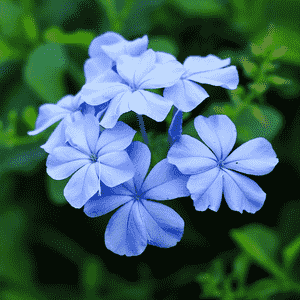
Plumbago auriculata is recognized for its vivid azure blooms, capable of enlivening any outdoor space.
2
This flora serves as an organic method to draw in diverse pollinators, including butterflies.
3
Plumbago auriculata is simple to cultivate and demands little upkeep, rendering it perfect for novice horticulturists.
Why Opt for Cape Leadwort in Your Garden?
Visual Allure
Cape leadwort is widely admired for its striking blue blossoms, which can introduce a burst of color to any garden area. These flowers appear in clusters, forming a visually pleasing display that can act as a focal point in your landscape design. The plant's foliage is equally appealing, providing a lush and green backdrop.
Minimal Upkeep
A key characteristic of Cape leadwort is its low-maintenance nature. This plant thrives in various soil types and requires little irrigation once established. Its drought-tolerant qualities make it an excellent option for gardeners who prefer plants needing less effort. Routine pruning is the only significant care needed, but even this is quite simple and manageable.
Advantages of Cultivating Cape Leadwort
Attracts Pollinators
If your goal is to cultivate a garden bustling with life, Cape leadwort is an outstanding selection. The plant naturally draws pollinators like butterflies and bees, which are vital for a flourishing ecosystem. By planting Cape leadwort, you support these essential creatures and contribute to the biodiversity of your garden.
Flexible Landscaping Choices
Cape leadwort can be utilized in various landscaping applications. Whether you aim to create a border, a hedge, or ground cover, this plant adapts well to different environments. Its spreading growth habit can also make it suitable for hanging baskets or trellises, offering numerous creative gardening possibilities.
How to Care for Cape Leadwort
Optimal Growing Conditions
For best growth, position Cape leadwort in an area that receives ample sunlight, though it can endure partial shade. Well-draining soil is crucial, as the plant does not thrive in waterlogged conditions. Consistent watering is vital during the initial planting phase, but once mature, Cape leadwort becomes quite drought-resistant.
Pruning and Maintenance
Pruning is an essential aspect of Cape leadwort care. Regular trimming helps maintain the desired form and encourages more abundant flowering. Remove any dead or damaged stems to prevent disease and pests. Pruning can also stimulate new growth, making the plant denser and more robust.
Common Challenges and Solutions
Pests and Diseases
Although Cape leadwort is generally a resilient plant, it can occasionally fall prey to pests such as aphids and spider mites. These can be managed through consistent monitoring and the application of organic insecticides. Diseases are uncommon but can occur in excessively wet conditions. Ensuring proper drainage and avoiding overwatering are key preventative measures.
Environmental Stress
Cape leadwort is quite hardy but can suffer from environmental stress if not properly cared for. Signs of stress include wilting, yellowing leaves, or a lack of blooms. These issues can typically be resolved by ensuring the plant receives adequate sunlight, water, and nutrients. Regular soil testing can also help identify any deficiencies that need to be addressed.



