The Black poplar Plant Advantage: Maximizing Home and Office Appeal and Wellness
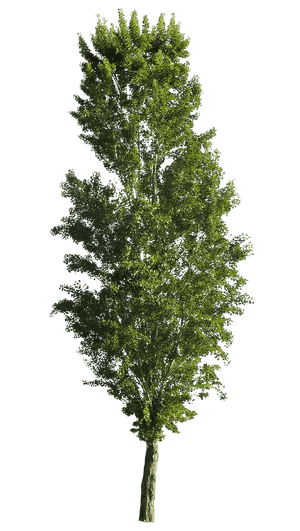
1
The black poplar plays a vital role in mitigating atmospheric contamination.
2
This tree is essential for preventing the degradation of soil.
3
It offers a superb environment for a wide array of animal life.
How Does Black poplar Improve Air Quality?
Absorbing Pollutants
A key advantage of Black poplar is its capacity to take in harmful airborne contaminants. This plant acts as a natural purifier, capturing fine particles and other atmospheric toxins, thereby significantly enhancing air quality. Its leaves are particularly effective at collecting dust and absorbing gases like sulfur dioxide and nitrogen oxides, common urban pollutants.
Producing Oxygen
Black poplar also plays a vital role in generating oxygen through photosynthesis. Due to the extensive canopy of mature trees, this species contributes significantly to raising local oxygen levels, making the surrounding air cleaner and more breathable. This is especially beneficial in city environments where air quality often falls below healthy standards.
What Role Does Black poplar Play in Soil Conservation?
Preventing Erosion
Soil erosion is a major environmental concern, especially in areas prone to heavy rain or wind. Black poplar excels at preventing soil erosion thanks to its extensive root system. Its roots effectively bind the soil, reducing the risk of landslides and the loss of fertile topsoil. This characteristic makes Black poplar an excellent choice for planting on riverbanks, slopes, and other erosion-prone locations.
Enhancing Soil Fertility
Beyond preventing erosion, Black poplar also boosts soil fertility. Its fallen leaves and branches decompose, enriching the soil with vital nutrients. This organic matter improves soil structure and fertility, fostering healthier plant growth in the surrounding area. Farmers and land managers often use Black poplar in agroforestry systems to maintain productive landscapes.
How Does Black poplar Support Local Wildlife?
Providing Habitat
Another significant benefit of Black poplar is its role in supporting local wildlife. This plant offers an excellent habitat for various bird species, mammals, and insects. Its dense foliage provides shelter and nesting sites, while the plant itself serves as a food source through its leaves, bark, and seeds. Conserving Black poplar is crucial for maintaining biodiversity, especially where natural habitats are threatened.
Supporting Food Chains
Black poplar also plays a pivotal role in the food chain. For instance, insects that feed on its leaves attract birds and small mammals, which in turn attract larger predators. This intricate food web highlights the importance of Black poplar in sustaining balanced ecosystems. Ensuring the health of these plant populations is vital for the overall stability of the environment.
What Are the Human Uses of Black poplar?
Timber and Construction
Black poplar has long been valued for its wood, which is used in various construction projects. The timber is relatively lightweight yet strong, making it ideal for building materials, furniture, and even paper production. Its versatility in construction contributes to local economies and provides sustainable material options in eco-friendly building practices.
Recreational and Aesthetic Value
Beyond its practical uses, Black poplar also offers substantial recreational and aesthetic benefits. Planting this species in urban parks and green spaces enhances visual appeal and provides residents with a natural retreat from the city's hustle and bustle. Its presence in recreational areas promotes mental well-being and encourages outdoor activities, fostering a healthier lifestyle for community members.
How Can We Support the Conservation of Black poplar?
Protecting Natural Habitats
Supporting Black poplar conservation begins with safeguarding its natural environments. This involves implementing policies that restrict deforestation and encourage sustainable land use practices. Conservation efforts should focus on preserving existing Black poplar populations and restoring degraded areas to ensure the future vitality of this essential plant species.
Participating in Reforestation Projects
Individuals and communities can actively contribute to conservation by joining reforestation projects. Planting Black poplar in suitable locations helps restore damaged ecosystems, combat climate change, and support biodiversity. By getting involved in local tree-planting initiatives, we can collectively contribute to our environment's health and ensure Black poplar continues to provide its many benefits for generations to come.



