The Moss rose Plant Advantage: Maximizing Home and Office Appeal and Wellness
1
Portulaca grandiflora requires minimal care, making it ideal for gardeners with limited time.
2
It draws in beneficial insects such as bees and butterflies, contributing to local biodiversity.
3
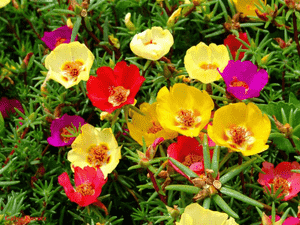
This plant produces flowers in brilliant hues, enhancing the visual charm of any outdoor space.
Why Moss Rose is an Excellent Choice for Your Garden
Minimal Upkeep Needs
Moss rose is a robust plant requiring little attention, making it ideal for both new and seasoned gardeners. It thrives in well-drained soil and full sunlight, needing only occasional watering during extended dry periods. This easy-care nature ensures your garden stays lively with minimal effort, letting you enjoy its beauty without constant tending.
Resilience to Dryness
A key characteristic of Moss rose is its remarkable ability to withstand drought. This makes it a superb option for areas with limited water or for gardeners aiming to conserve water. Once established, Moss rose can endure prolonged periods without rain, keeping your garden lush and colorful even in the hottest months.
Attracts Beneficial Insects
Incorporating Moss rose into your garden can greatly benefit the local ecosystem. Its bright, vivid blossoms draw in pollinators like bees, butterflies, and other helpful insects. These pollinators are vital for maintaining garden health and assisting in the reproduction of various plant species. By supporting pollinators, you contribute to the biodiversity and ecological balance of your local environment.
Growing and Caring for Moss Rose
Propagation Methods
Moss rose can be easily propagated from seeds or cuttings. For seeds, sow them directly in the garden after the last expected frost. For cuttings, simply take a healthy piece and plant it in well-draining soil. These propagation techniques allow you to expand your garden without extra cost, providing more abundant blooms each year.
Pest and Disease Management
Fortunately, Moss rose is quite resistant to pests and diseases. However, it's wise to monitor your plant for common issues such as aphids or fungal infections. If you notice any problems, address them promptly with suitable organic or chemical treatments to ensure your plant remains healthy and vibrant.
Optimal Planting Conditions
For successful Moss rose growth, it's crucial to plant it in the right environment. Choose a sunny spot with well-drained soil, as too much moisture can lead to root rot. Plant Moss rose during warmer months to give it the best chance to establish itself before colder weather arrives. These conditions will allow your plant to flourish and provide continuous beauty throughout the growing season.
Regular Care and Maintenance
While Moss rose is low-maintenance, some routine care can improve its growth and bloom quality. Regularly remove faded flowers to encourage continuous blooming and pinch back stems to maintain a compact, bushy form. Fertilize sparingly with a balanced fertilizer to prevent excessive growth that can make the plant leggy.
The Visual Charm of Moss Rose
Diverse Colors and Blossoms
Moss rose is known for its wide array of vivid hues, including shades of red, pink, yellow, white, and orange. These striking flowers can revitalize any garden, creating a visually appealing and lively atmosphere. The blooms typically open in the morning and close by evening, offering a beautiful display throughout the day.
Ground Cover and Erosion Control
Beyond its beauty, Moss rose serves a practical function as an effective ground cover plant. Its dense foliage forms a mat-like layer over the soil, reducing erosion and inhibiting weed growth. This characteristic makes Moss rose an ideal choice for slopes, rocky areas, and other challenging garden spots where soil retention is a concern.



