The Chickasaw plum Plant Advantage: Maximizing Home and Office Appeal and Wellness
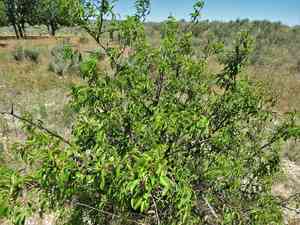
1
The Chickasaw plum yields tasty, healthful fruits rich in antioxidants.
2
This resilient shrub needs little upkeep after it's rooted.
3
Introducing Chickasaw plum can draw helpful creatures to your garden.
Why Cultivate Chickasaw Plum?
Nutritional Advantages
A key attribute of Chickasaw plum is its fruit, which is not only palatable but also highly nourishing. Abundant in antioxidants, vitamins, and minerals, Chickasaw plum fruits can enrich your diet. They can be consumed fresh, processed into preserves, or incorporated into various recipes. Unlike some garden varieties, Chickasaw plum fruits are less susceptible to pests and diseases, making them a relatively easy-to-manage, rewarding crop.
Minimal Upkeep Needs
Chickasaw plum is a resilient plant that adapts well to diverse soil conditions, from sandy to clay-rich. Once rooted, it demands little attention. It can endure arid conditions, making it ideal for gardeners in areas with unpredictable rainfall. Furthermore, Chickasaw plum resists many common pests and diseases, reducing the need for chemical interventions and continuous maintenance.
How Can Chickasaw Plum Enhance Your Garden?
Visual Appeal
Chickasaw plum produces attractive flowers that add vibrancy and color to your garden. These blooms, typically appearing in early spring, are not only visually pleasing but also attract pollinators like bees and butterflies. The fruit itself provides a decorative element to the garden, changing hues as it ripens and offering a spectacular visual display.
Wildlife Attraction
Another excellent benefit of planting Chickasaw plum is its capacity to draw in wildlife. Birds particularly enjoy the fruits, and butterflies are drawn to the flowers. This biodiversity contributes to a healthier, more balanced ecosystem in your garden. By planting Chickasaw plum, you're not only beautifying your outdoor space but also supporting local wildlife.
What Are the Environmental Benefits of Chickasaw Plum?
Soil Improvement
Chickasaw plum possesses deep root systems that help stabilize soil and prevent erosion. This makes it an excellent plant for areas where soil degradation is a concern. The fallen leaves and fruit also decompose, enriching the soil with organic matter and enhancing its fertility over time. These natural processes mean Chickasaw plum can contribute to a more sustainable garden ecosystem.
Carbon Sequestration
Plants like Chickasaw plum play a vital role in carbon sequestration, absorbing carbon dioxide from the atmosphere and storing it in their biomass. This helps mitigate climate change by lowering the overall concentration of greenhouse gases in the atmosphere. By integrating Chickasaw plum into your garden, you make a small but significant contribution to environmental conservation.
How Do You Successfully Cultivate Chickasaw Plum?
Planting and Soil Preparation
While Chickasaw plum adapts to various soil types, it thrives best in well-draining soil with a neutral pH. When planting, ensure the root ball is level with the ground surface and mulch around the base to retain moisture and suppress weeds. Space plants adequately to allow for growth and air circulation, which helps prevent disease.
Watering and Fertilizing
Initially, Chickasaw plum requires consistent watering to establish its root system. Once established, it is quite drought-tolerant and needs less frequent irrigation. Fertilizing is generally not essential, but a balanced organic fertilizer can be applied during the growing season to boost fruit production. Be careful with over-fertilizing, as this can lead to excessive foliage growth at the expense of fruit.
Can Chickasaw Plum Be Grown in Containers?
Selecting the Right Container
Yes, Chickasaw plum can be cultivated in containers, making it an excellent choice for smaller gardens or urban environments. Choose a large container with ample drainage holes to prevent the plant's roots from becoming waterlogged. A well-draining potting mix is crucial for container growth.
Container Care Advice
Place the container in a spot where the plant will receive full sun, as Chickasaw plum thrives with abundant light. Water the plant regularly, but avoid over-watering. During winter, shield the container from extreme cold, which could harm the roots. With proper care, your container-grown Chickasaw plum can be as productive and beautiful as those planted in the ground.



