The Cherry laurel Plant Advantage: Maximizing Home and Office Appeal and Wellness
1
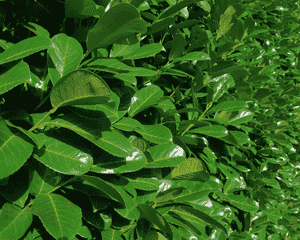
Prunus laurocerasus serves as a superb evergreen for continuous screening.
2
Its foliage boasts a lustrous, appealing look, boosting garden beauty.
3
This plant requires minimal upkeep and shows strong resilience to common pests and ailments.
Why Select Cherry Laurel for Your Outdoor Space?
Aesthetic Appeal
Cherry laurel is prized for its vibrant, shiny leaves that remain green throughout the year. Its rich, dark green foliage can add depth and texture to your garden, making it visually pleasing even in colder months. This beauty makes Cherry laurel an excellent choice for hedges, borders, and privacy screens.
Adaptability
Cherry laurel is highly flexible regarding various environmental conditions. Whether your garden receives full sun or partial shade, Cherry laurel thrives in both, offering versatility in placement. This adaptability also extends to soil types, as it can grow in diverse soil conditions with minimal effort.
Practical Advantages of Cherry Laurel
Seclusion and Security
A key feature of Cherry laurel is its capacity to form thick hedges. These hedges can act as effective privacy screens, blocking unwanted views and reducing noise. Furthermore, the dense growth of Cherry laurel can serve as a natural barrier, boosting your property's security.
Effortless Upkeep
Cherry laurel is a low-maintenance plant, requiring minimal care once established. Regular trimming helps maintain its shape and encourages new growth, but beyond that, it doesn't demand much attention. Its resistance to common pests and diseases further lessens the need for chemical treatments and extensive care.
How to Maintain Cherry Laurel
Planting Advice
When planting Cherry laurel, it's crucial to select a spot that offers ample room for growth. Dig a hole twice the width of the root ball and plant at the same depth as it was in the nursery container. Water thoroughly after planting to aid root establishment.
Ongoing Maintenance
Cherry laurel benefits from consistent watering, especially during dry periods. Mulching around the base can help retain moisture and suppress weeds. Annual pruning in late winter or early spring helps maintain its form and promotes denser growth. Fertilizing once a year with a balanced fertilizer can enhance health and vigor.
Environmental Impact of Cherry Laurel
Soil Stabilization
Cherry laurel possesses a strong root system that aids in preventing soil erosion. This makes it an ideal plant for slopes and areas prone to soil loss. Its dense foliage also provides ground cover, lessening the impact of heavy rains on soil stability.
Wildlife Support
Cherry laurel provides a valuable habitat for various wildlife. Birds, bees, and other pollinators are drawn to its flowers, while the dense foliage offers shelter for small animals. By planting Cherry laurel, you can enhance biodiversity and support local ecosystems.
Design Suggestions for Incorporating Cherry Laurel in Your Garden
Hedges and Borders
Cherry laurel is ideal for creating structured garden elements like hedges and borders. When used as a hedge, it can be trimmed to form clean, straight lines that define areas within the garden. For borders, Cherry laurel adds a uniform and neat appearance that enhances garden design.
Individual Specimens
In addition to hedges and borders, Cherry laurel can be utilized as a stand-alone specimen plant. Planted individually or in small clusters, it creates focal points that attract the eye and add interest to your garden. Its evergreen nature ensures it remains a prominent feature year-round.



