The Common chokecherry Plant Advantage: Maximizing Home and Office Appeal and Wellness
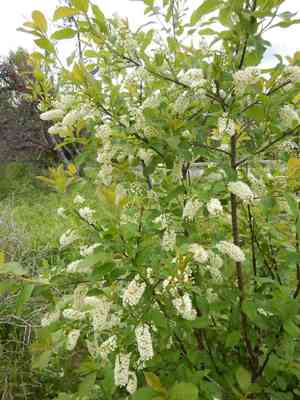
1
Common chokecherry offers antioxidant qualities that promote general well-being.
2
The bark, foliage, and fruits of Common chokecherry provide various environmental advantages.
3
Common chokecherry is crucial for drawing in wildlife, thereby fostering biodiversity.
Nutritional Advantages of Chokecherry
Abundant in Antioxidants
Chokecherry is notable for its high antioxidant content, which aids in combating oxidative stress and promoting overall well-being. These protective compounds are primarily found in the berries, frequently consumed as jams, jellies, and syrups. Antioxidants are crucial for shielding cells from damage, reducing inflammation, and lowering the risk of chronic illnesses.
Vitamins and Minerals Present
Beyond antioxidants, Chokecherry is rich in vital vitamins and minerals. For instance, its berries contain substantial amounts of Vitamin C, Vitamin K, and potassium. These nutrients are essential for bodily functions such as immune system support, blood coagulation, and maintaining proper muscle function.
Ecological Contributions of Chokecherry
Supports Local Wildlife
Chokecherry serves as a valuable food source for diverse wildlife. Birds and mammals particularly enjoy the berries, which supply crucial nutrients across different seasons. The plant also provides shelter and nesting sites, enhancing the health of local ecosystems by fostering biodiversity.
Soil Enrichment Benefits
The leaves and bark of Chokecherry play a key role in enriching the soil. As these plant parts decompose, they release nutrients back into the earth, boosting soil fertility. This natural process supports healthier growth cycles for nearby plants, making Chokecherry a vital element of sustainable land management.
Culinary Applications of Chokecherry
Berries in Culinary Traditions
Chokecherry berries are utilized in various culinary traditions globally. They are frequently used to create delicious jams, jellies, syrups, and even wines. These culinary delights not only add flavorful variety to meals but also offer nutritional benefits due to the berries' health-promoting properties.
Bark and Leaves in Herbal Teas
Beyond the berries, the bark and leaves of Chokecherry have been incorporated into herbal teas. These teas are recognized for their pleasant taste and potential advantages, including soothing effects and digestive aid. The versatility of Chokecherry in culinary uses underscores its importance in both traditional and modern diets.
Cultural Significance and Traditional Uses of Chokecherry
Historical Importance
Chokecherry holds significant historical importance across various cultures. It has been employed in traditional practices ranging from medicinal applications to ceremonial uses. The plant's diverse applications highlight its lasting relevance and cultural significance throughout history.
Symbolism in Folklore
In folklore, Chokecherry is often viewed as a symbol of resilience and renewal. Cultures that revere this plant frequently share stories emphasizing its capacity to thrive in harsh conditions and its role in sustaining life. These narratives reflect not only the plant's hardiness but also its integral place in cultural heritage.



