The Chinese wingnut Plant Advantage: Maximizing Home and Office Appeal and Wellness
1
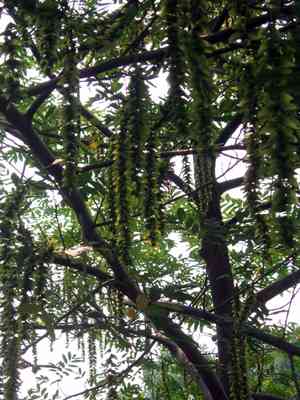
The Chinese wingnut is well-known for its excellent ability to create shade.
2
This species flourishes in a range of soil conditions, making it suitable for many environments.
3
Chinese wingnut improves ground richness by breaking down fallen leaves naturally.
Why is Chinese wingnut an Excellent Shade Provider?
Broad Canopy for Extensive Shading
A primary advantage of Chinese wingnut is its wide, spreading canopy, which offers significant shade. This characteristic makes it a superb option for parks, yards, and city areas where sun relief is desired. The shade not only cools the immediate vicinity but also fosters an environment where shade-loving plants can flourish.
Mitigating Urban Heat Effects
In metropolitan areas, Chinese wingnut plays a vital role in reducing the urban heat island phenomenon. By providing substantial shade, it helps lower surface temperatures and decreases the need for air conditioning, thereby contributing to energy savings and a more comfortable living space.
How Does Chinese wingnut Improve Soil Quality?
Fallen Leaves and Nutrient Cycling
The leaf litter generated by Chinese wingnut greatly benefits soil health. As these leaves decompose, they return organic matter and nutrients to the soil, boosting its fertility and structure. This natural process assists in maintaining a balanced ecosystem within your garden.
Erosion Prevention
The extensive root system of Chinese wingnut aids in stabilizing soil and preventing erosion. This makes it particularly effective in locations prone to water runoff and soil degradation. By planting Chinese wingnut, you can safeguard and enhance the integrity of your garden's soil.
What Makes Chinese wingnut Suitable for Diverse Environments?
Adaptability to Various Soil Types
Chinese wingnut is highly adaptable to different soil compositions, whether clay, loam, or sandy. This versatility makes it an ideal selection for gardens in various regions, ensuring vigorous growth and development irrespective of the soil conditions.
Resistance to Urban Contamination
Chinese wingnut exhibits a strong tolerance to urban pollution, making it an excellent plant for city landscapes. It can thrive in areas with poor air quality and contaminated environments, contributing to the greening and beautification of urban spaces.
What are the Aesthetic and Ecological Advantages of Chinese wingnut?
Attractive Foliage and Seasonal Appeal
Chinese wingnut features appealing foliage that changes color with the seasons, offering year-round visual interest. In autumn, its leaves often transform into vibrant shades of yellow and brown, adding a burst of color to your garden or park.
Support for Local Fauna
Chinese wingnut benefits local wildlife, providing habitat and food sources for various species. Birds, insects, and other creatures find shelter and sustenance from the tree, promoting biodiversity and ecological balance in your garden.
How Does Chinese wingnut Contribute to Sustainable Landscaping?
Minimal Upkeep Requirements
A key characteristic of Chinese wingnut is its low maintenance needs. Once established, it requires minimal pruning, watering, and fertilization. This makes it a sustainable choice for landscapers aiming to create low-input, eco-friendly gardens.
Durability and Resilience
Chinese wingnut is renowned for its longevity and hardiness. It can withstand harsh weather conditions and pests, ensuring a long-lasting presence in your garden. This resilience makes it a cost-effective and sustainable option for long-term landscaping projects.



