The California scrub oak Plant Advantage: Maximizing Home and Office Appeal and Wellness
1
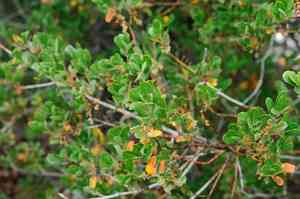
The California scrub oak is a local plant that provides for native animals.
2
This California scrub oak variety tolerates dry conditions and grows well in diverse soils.
3
California scrub oak aids in stopping the loss of topsoil.
What Makes California scrub oak Distinctive?
Resilience to Harsh Conditions
A remarkable trait of California scrub oak is its capacity to endure challenging environmental circumstances. This plant is drought-tolerant, meaning it needs minimal water to flourish. This characteristic makes it a vital component of the dry Californian landscape where water conservation is a major concern. Furthermore, California scrub oak can grow in various soil types, from rocky ground to sandy earth, making it adaptable and easy to cultivate.
Support for Local Wildlife
The California scrub oak serves as a crucial habitat for numerous forms of wildlife. The plant offers sustenance and refuge for birds, insects, and small mammals. Its acorns are a food source for species like the Western Scrub Jay and squirrels, while its dense leaves provide cover and nesting spots. This interdependent relationship boosts biodiversity and stabilizes local ecosystems.
Ecological Advantages of California scrub oak
Erosion Prevention
A significant ecological benefit of California scrub oak is its capacity to prevent soil erosion. Its extensive root system stabilizes the ground, reducing the likelihood of landslides and erosion, especially in hilly or sloped areas. This feature is particularly advantageous in regions prone to heavy rainfalls and natural disturbances.
Carbon Sequestration
California scrub oak contributes to combating climate change through carbon sequestration. Plants, in general, absorb carbon dioxide during photosynthesis, and California scrub oak is no exception. By storing carbon in its biomass and roots, California scrub oak helps reduce the overall carbon footprint, contributing to a healthier and more stable environment.
Horticultural and Landscaping Applications
Drought-Tolerant Landscaping
Given its drought-resistant nature, California scrub oak is an excellent choice for xeriscapingâa landscaping method that minimizes or eliminates the need for irrigation. It is a sustainable option for gardens, parks, and public spaces in arid and semi-arid regions. This not only conserves water but also provides a low-maintenance solution for homeowners and municipalities.
Aesthetic Appeal
The aesthetic value of California scrub oak should not be overlooked. With its dense, evergreen foliage and sculptural form, it adds visual interest to landscapes. The plant can serve as a striking focal point or a natural hedge, offering both beauty and utility in garden design.
How to Plant and Care for California scrub oak
Planting Recommendations
To successfully plant California scrub oak, select a location that receives full sun to partial shade. The soil should drain well to prevent root rot. Dig a hole that is twice the width of the root ball and equally deep. Place the plant in the hole, backfill with soil, and water thoroughly.
Maintenance Guidelines
California scrub oak is relatively low-maintenance once established. Water it deeply but infrequently, allowing the soil to dry out between watering sessions. Pruning can be done to maintain its shape and remove dead or damaged branches. Mulching around the base can help conserve moisture and suppress weeds.



