The Shingle oak Plant Advantage: Maximizing Home and Office Appeal and Wellness
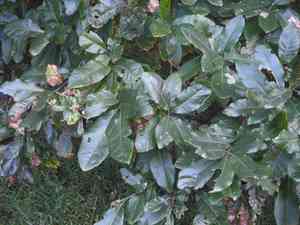
1
The sturdy timber of the shingle oak makes it excellent for crafting shingles.
2
Shingle oak offers sustenance and shelter, benefiting native fauna.
3
Through its fallen leaves, shingle oak enhances the quality of the soil.
Why is Shingle Oak an Excellent Option for Landscaping?
Visual Appeal
Shingle oak offers a distinct combination of beauty and hardiness, making it a favored selection for landscape designs. Its unique foliage and sturdy form create a striking focal point in any garden or park. The tree's vibrant green leaves transform into a stunning deep red or brown in autumn, adding seasonal charm to your outdoor area.
Minimal Upkeep Needs
A key advantage of Shingle oak is its low maintenance demands. Once established, the tree is quite drought-tolerant and can flourish in various soil types. This makes it a practical choice for both city and rural environments, where it can endure diverse environmental conditions without requiring extensive care.
How Does Shingle Oak Benefit Local Fauna?
Habitat and Food Source
Shingle oak plays a vital role in supporting local wildlife. Its acorns serve as a valuable food source for birds, deer, and small mammals. The tree also offers essential habitat for various species, providing shelter and nesting locations. By incorporating Shingle oak into your landscape, you contribute to preserving local biodiversity.
Fosters Ecological Balance
Shingle oak helps maintain ecological equilibrium by supporting predator-prey dynamics and enhancing the overall health of the habitat. Its presence can attract pollinators, beneficial insects, and other wildlife, fostering a vibrant and balanced ecosystem in your garden or park.
What are the Practical Applications of Shingle Oak?
Resilient Wood
The timber from Shingle oak is renowned for its durability and strength, making it a preferred material for shingle production and other woodworking projects. Its robust nature ensures long-lasting performance, whether utilized in construction or artisanal crafts.
Soil Enrichment
Shingle oak contributes to soil health through its fallen leaves, which decompose and enrich the soil with organic matter. This process improves soil structure, encourages microbial activity, and boosts nutrient availability for nearby plants. By planting Shingle oak, you support healthier and more fertile soil in your landscape.
How Can Shingle Oak Improve Environmental Well-being?
Carbon Capture
Shingle oak is highly effective at absorbing carbon, helping to mitigate climate change. As the tree grows, it takes in carbon dioxide from the atmosphere and stores it within its biomass. This process reduces the overall concentration of greenhouse gases, contributing to a healthier environment.
Air Quality Enhancement
Shingle oak also plays a role in improving air quality. Its leaves filter air pollutants, such as ozone and particulate matter, reducing their presence in the environment. Planting Shingle oak in urban areas can help combat air pollution, creating cleaner and healthier living spaces for the community.
Why Consider Shingle Oak for Urban Greening?
Shade and Cooling
Shingle oak provides ample shade, making it an excellent addition to urban forestry initiatives. The canopy of Shingle oak trees can lower temperatures in city environments, alleviating the urban heat island effect. This cooling impact can reduce energy consumption for air conditioning, encourage outdoor activities, and enhance overall urban liveability.
Stormwater Management
Shingle oak can significantly assist in stormwater management. Its extensive root system helps absorb excess rainfall, reducing runoff and minimizing the risk of flooding. By enhancing water infiltration and retention, Shingle oak contributes to effective stormwater management in urban landscapes.



