The Northern red oak Plant Advantage: Maximizing Home and Office Appeal and Wellness
1
The Northern red oak is prized for its robust timber, making it ideal for building and crafting furniture.
2
This tree offers significant shade, contributing to lower energy consumption in warm periods.
3
As a vital component of its habitat, the Northern red oak sustains various animal species.
Why Select Northern Red Oak for Your Outdoor Spaces?
Outstanding Sturdiness and Strength
Northern red oak is well-known for its robust timber, highly prized for construction. Its wood's strength makes it perfect for crafting sturdy furniture, flooring, and other wooden structures needing longevity and resilience. This resilience extends product life and offers long-term economic benefits.
Shade Provider
A practical advantage of Northern red oak is its impressive canopy. This large tree offers ample shade, significantly cooling outdoor areas and reducing air conditioning needs in nearby buildings. This shading effect can lower energy costs during hot summers, promoting both environmental care and financial savings.
Boost to Local Wildlife
Northern red oak plays a crucial role in supporting local wildlife. Its acorns provide food for various animals like squirrels, deer, and birds. Additionally, the tree's strong structure offers habitat and nesting sites for many bird species. By planting Northern red oak, you create a mini-ecosystem that supports biodiversity and ensures the survival of several species.
Environmental Advantages of Cultivating Northern Red Oak
Carbon Sequestration
Trees are vital for mitigating climate change, and Northern red oak is particularly effective. By absorbing significant amounts of carbon dioxide through photosynthesis, it helps reduce greenhouse gas concentrations in the atmosphere. This process, known as carbon sequestration, is crucial in combating climate change and its negative impacts.
Erosion Control
Northern red oak is instrumental in preventing soil erosion. Its extensive root system binds and stabilizes the soil, reducing landslide and runoff risks. This is especially beneficial in areas prone to heavy rainfall and flooding. By reducing erosion, Northern red oak helps maintain soil fertility and supports healthier plant growth in the surrounding area.
Improving Air Quality
Northern red oak contributes to better air quality by filtering pollutants from the atmosphere. Its leaves trap airborne particles like dust, smoke, and other pollutants, effectively cleansing the air. This natural filtration system benefits the environment and enhances public health by reducing respiratory issues and promoting cleaner, fresher air.
How Northern Red Oak Enhances Aesthetic Value?
Visual Appeal
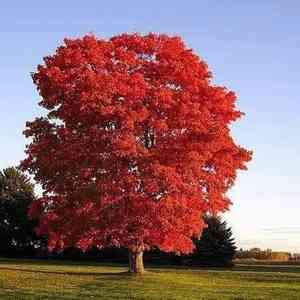
Northern red oak is celebrated for its majestic appearance. With its wide trunk, spreading branches, and vibrant foliage that changes color with the seasons, it serves as a stunning focal point in any landscape. This visual appeal boosts property values and offers a serene and picturesque environment for both residential and commercial spaces.
Seasonal Beauty
The seasonal transformations of Northern red oak add dynamic beauty to the landscape. In spring, tender leaves emerge, providing a fresh green view. During autumn, the foliage turns a brilliant red, creating a striking visual display that attracts nature enthusiasts and photographers alike. This seasonal variation ensures Northern red oak remains a captivating presence in the landscape year-round.
Heritage and Legacy
Planting Northern red oak is a commitment to heritage and legacy. These long-lived trees can stand for centuries, becoming a testament to the care and foresight of those who planted them. They provide a living connection to the past and a gift to future generations who will enjoy their shade, beauty, and ecological benefits long after we are gone.



