The Indian hawthorn Plant Advantage: Maximizing Home and Office Appeal and Wellness
1
The Indian hawthorn is an easy-to-care-for, water-wise plant, ideal for those with limited time.
2
It boosts the visual charm of outdoor spaces through its appealing blooms and leaves.
3
Indian hawthorn contributes to better air by purifying contaminants and emitting oxygen.
What Are the Main Advantages of Cultivating Indian Hawthorn?
Effortless Upkeep and Drought Resistance
Indian hawthorn is highly regarded for its hardiness. This shrub tolerates dry conditions well once established, making it perfect for gardeners in arid areas or those aiming to conserve water. It needs minimal trimming and resists many common pests and diseases, lessening the need for chemical treatments and extensive care.
Visual Appeal
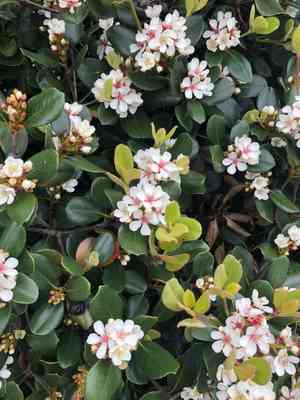
A primary reason gardeners select Indian hawthorn is its striking beauty. With its lush, dark green leaves and clusters of fragrant blossoms ranging from white to pink, this shrub can be a focal point in any garden. The flowers not only add color but also draw in pollinators like bees and butterflies, boosting your garden's biodiversity.
How Can Indian Hawthorn Improve Environmental Quality?
Air Purification
An underappreciated benefit of Indian hawthorn is its capacity to enhance air quality. Like many plants, it absorbs pollutants such as carbon dioxide and releases oxygen, thus contributing to a healthier environment. Its dense leaves can also capture dust and other airborne particles, making the air around your home cleaner and fresher.
Erosion Control
The extensive root system of Indian hawthorn makes it excellent for preventing erosion on slopes and embankments. The roots help bind the soil, reducing the risk of landslides and surface runoff. This is especially beneficial for properties situated in hilly or unstable terrains.
What Role Does Indian Hawthorn Play in Boosting Biodiversity?
Pollinator Magnet
Indian hawthorn attracts pollinators such as bees, butterflies, and even hummingbirds. Its flowers offer a rich source of nectar, encouraging these beneficial creatures to visit your garden. This not only aids in the reproduction of Indian hawthorn but also supports the wider ecosystem by helping pollinators flourish.
Wildlife Habitat
Beyond attracting pollinators, Indian hawthorn also provides habitat benefits to other wildlife. Birds may find refuge among its branches, and small mammals could use its foliage for cover. By including Indian hawthorn in your garden, you help create a mini-ecosystem that supports various forms of life.
Can Indian Hawthorn Be Utilized in Landscaping?
Versatile Landscaping Options
Indian hawthorn is a favorite in landscaping due to its adaptability. It can be used as a solitary specimen plant, in mass plantings for hedges, or even in mixed borders with other shrubs and perennials. Its compact size and structured growth habit make it suitable for both large landscapes and small urban gardens.
Year-Round Interest
Indian hawthorn offers year-round appeal, making it an excellent choice for adding continuous visual pleasure to your garden. In spring, its blooms create a vibrant display, while in autumn, the foliage can take on attractive shades of bronze and red. Even in winter, its evergreen leaves provide a refreshing green backdrop.



