The Sweet azalea Plant Advantage: Maximizing Home and Office Appeal and Wellness
1
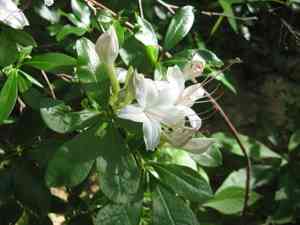
The sweet azalea provides striking aesthetic appeal through its aromatic flowers.
2
It draws in helpful pollinators such as bees and butterflies.
3
Sweet azalea is capable of preventing erosion, safeguarding terrain from soil degradation.
What Makes Sweet azalea Special?
Exceptional Aesthetic Appeal
Sweet azalea showcases visually stunning blossoms in white and pale pink hues, making it a magnificent addition to any garden. Its blooming period in late spring and early summer provides a fragrant backdrop for outdoor activities, inviting enjoyment of its beauty.
Wonderful Fragrance
A key characteristic of Sweet azalea is its delightful scent. This aroma not only makes the surroundings more pleasant but also enhances mental well-being by offering a natural, calming fragrance around the home.
How Does Sweet azalea Benefit My Garden?
Attracts Pollinators
Sweet azalea draws in beneficial pollinators, such as bees and butterflies, which are vital for garden health and productivity. By including Sweet azalea in your landscape, you support the local ecosystem and ensure other plants are effectively pollinated.
Erosion Control
The root system of Sweet azalea is particularly effective at preventing soil erosion. Planting it in erosion-prone areas helps stabilize the soil, ensuring your landscape remains both beautiful and robust.
What Are the Practical Uses of Sweet azalea?
Natural Privacy Screen
Sweet azalea can be utilized to create natural privacy screens. With its dense foliage, it acts as an excellent barrier, providing both seclusion and a picturesque view. This makes it ideal for garden borders or property lines.
Combined Planting Benefits
Pairing Sweet azalea with other plants can offer mutual advantages. For instance, planting it alongside other shrubs or perennials can create a layered effect, enhancing visual appeal and aiding in issues like soil moisture retention.
How to Care for Sweet azalea?
Optimal Growing Conditions
Sweet azalea thrives in well-drained, slightly acidic soils. It prefers partial sunlight to partial shade, making it adaptable to various garden conditions. Consistent watering, especially during dry periods, will keep it healthy and vibrant.
Pruning and Maintenance
To maintain its form and encourage healthy development, occasional pruning is advised. Removing dead or damaged branches will not only improve the plant's appearance but also enhance air circulation, which is crucial for disease prevention.



