The Swamp Azalea Plant Advantage: Maximizing Home and Office Appeal and Wellness
1
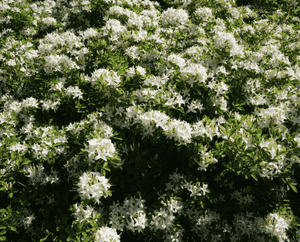
The Swamp Azalea enhances your garden's beauty with its bright blooms.
2
The Swamp Azalea is recognized for drawing in pollinators such as bees and butterflies.
3
The Swamp Azalea flourishes in damp, acidic ground, making it suitable for gardens with challenging soil types.
What Are the Main Advantages of Swamp Azalea?
Visual Appeal
A prominent characteristic of Swamp Azalea is its striking look. The plant produces vivid, fragrant blossoms that can significantly boost any garden's visual charm. Flowers typically emerge from late spring to early summer and come in various hues, including white and pink. This makes Swamp Azalea a versatile addition to both private and public green spaces.
Wildlife Support
Swamp Azalea is recognized for its capacity to draw in diverse pollinators, such as bees and butterflies. By incorporating this plant into your garden, you not only enhance its beauty but also offer vital assistance to local ecosystems. Pollinators play a crucial role in plant reproduction, and by attracting them, Swamp Azalea helps ensure the health and variety of your garden flora.
How Does Swamp Azalea Contribute to Soil Health?
Adaptability
Swamp Azalea is particularly well-suited for damp, acidic soils, making it an excellent choice for gardens with less-than-ideal conditions. The plant's resilience means it can thrive in areas where other plants struggle, aiding in soil stabilization and erosion prevention. Its root system also helps improve soil structure over time by breaking up compacted layers.
Nutrient Cycling
Swamp Azalea contributes to the nutrient cycle within the garden ecosystem. Its fallen leaves decompose, returning valuable nutrients to the soil. This natural process helps maintain soil fertility and supports the growth of other plants in the garden. By fostering a healthy soil environment, Swamp Azalea plays a vital role in sustaining your garden's overall well-being.
What Are the Environmental Benefits of Cultivating Swamp Azalea?
Air Quality Improvement
Plants like Swamp Azalea enhance air quality by absorbing carbon dioxide and releasing oxygen through photosynthesis. This helps reduce greenhouse gases and improves the air you breathe. Beyond their role in carbon sequestration, the dense foliage of Swamp Azalea can trap dust and other airborne particles, further boosting air quality.
Water Management
Swamp Azalea tolerates wet conditions well, making it an excellent option for managing water in your garden. Whether you have flood-prone areas or wish to create a rain garden, Swamp Azalea can assist. Its ability to flourish in soggy soils ensures excess water is absorbed effectively, reducing runoff and potential erosion. This makes Swamp Azalea an eco-friendly choice for maintaining water balance in landscaped areas.
How to Grow and Care for Swamp Azalea
Planting
For optimal results, plant Swamp Azalea in an area with partial to full sun and well-drained, acidic soil. It's crucial to avoid planting them too deeply; the root ball should sit slightly above ground level. Mulching around the base can help retain soil moisture and suppress weeds. Early spring or late fall are the best times to plant Swamp Azalea for optimal growth.
Maintenance
Swamp Azalea requires minimal upkeep once established. Consistent watering is vital during dry periods, especially in the first year after planting. Pruning should occur immediately after flowering to shape the plant and remove any dead or diseased wood. Fertilizing in early spring with a product formulated for acid-loving plants can encourage vigorous growth and abundant blooms.
Common Issues and Solutions for Growing Swamp Azalea
Pests and Diseases
Swamp Azalea can be vulnerable to certain pests like aphids, spider mites, and azalea lace bugs. Regular inspection and prompt intervention with insecticidal soap or horticultural oil can help manage these problems. Regarding diseases, fungal infections such as powdery mildew and root rot can occur in poorly drained soils. Proper site selection and good cultural practices can minimize these risks.
Environmental Stress
Swamp Azalea can sometimes struggle in extremely dry or alkaline soil conditions. To alleviate environmental stress, consider amending the soil with organic matter to improve its composition and water-holding capacity. Using a rain gauge can help you monitor and manage watering needs more effectively. Mulching is another excellent way to maintain soil moisture levels and keep roots cool during hot weather.
Additional Advantages of Cultivating Swamp Azalea
Educational Value
Growing Swamp Azalea offers a superb opportunity for educational activities. Whether you're a parent aiming to teach your children about plant biology and ecosystems or a teacher seeking a hands-on learning experience, this plant serves as a fantastic educational tool. Its role in attracting pollinators and supporting soil health can be linked to broader environmental education topics.
Community Building
Including Swamp Azalea in community gardens or public landscapes can foster unity. The beauty of its flowers can attract people and encourage community participation in gardening activities. It can serve as a focal point for community events and educational workshops, promoting a sense of shared responsibility and collective effort in environmental stewardship.



