The Skunk-bush sumac Plant Advantage: Maximizing Home and Office Appeal and Wellness
1
This plant is recognized for its ability to withstand dry conditions.
2
It provides an essential living space for diverse indigenous animals.
3
Its fruits are historically utilized in local culinary practices and artisanal creations.
What Makes Skunk-bush sumac Unique?
Adaptability to Harsh Environments
A key characteristic of Skunk-bush sumac is its capacity to thrive in severe, arid conditions. This plant flourishes where other species struggle, thanks to its deep root system that efficiently extracts water. Its drought-tolerant nature makes it ideal for xeriscaped gardens, prioritizing water conservation.
Ecological Role
Skunk-bush sumac plays a vital ecological function in its native environments. It offers refuge and sustenance to various wildlife, including birds, insects, and small mammals. During bloom, its flowers attract pollinators, crucial for ecological balance and the propagation of diverse plant species.
How Can Skunk-bush sumac Be Used in Gardening?
Aesthetic Appeal
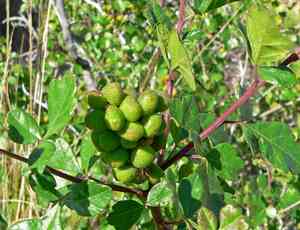
Skunk-bush sumac is not only practical but also adds distinct visual appeal to gardens. Its vibrant foliage, which changes color seasonally, and its clustered berries provide year-round visual interest. Gardeners can use it as a focal point or integrate it into hedges for a beautiful, natural landscape design.
Low Maintenance
For those seeking easy-care garden plants, Skunk-bush sumac is an excellent option. It needs minimal watering once established, and its resistance to local pests and diseases reduces the need for chemical interventions. This results in lower long-term costs and more sustainable gardening practices.
What Are the Cultural and Traditional Uses of Skunk-bush sumac?
Traditional Culinary Uses
The berries of Skunk-bush sumac have been used in indigenous culinary practices for centuries. They are often dried and ground into a spice or used to create beverages. These traditional methods highlight the plant's cultural importance and offer natural, locally-sourced alternatives to modern culinary ingredients.
Craft and Medicinal Uses
Beyond cooking, Skunk-bush sumac branches and roots have been traditionally used in craft-making, including basketry and dye production. While contemporary use has diminished, these practices underscore the plant's diverse utility. Incorporating such traditional knowledge into modern applications can foster greater appreciation for local biodiversity.
Why Should Conservationists Care About Skunk-bush sumac?
Supporting Biodiversity
Conservationists value Skunk-bush sumac for its role in supporting biodiversity. By planting and cultivating this species, efforts to restore natural habitats gain a crucial element that helps maintain the equilibrium of local ecosystems. Its presence can reduce soil erosion and act as a defense against invasive species.
Climate Resilience
Skunk-bush sumac contributes to climate resilience due to its drought-tolerant characteristics and ability to thrive in poor soil conditions. It helps stabilize soil and supports water retention in the ecosystem, making it a natural ally in combating the negative impacts of climate change.
How to Cultivate Skunk-bush sumac in Your Garden?
Planting Guidelines
For successful cultivation of Skunk-bush sumac, select a sunny location in your garden with well-draining soil. Although this plant is quite adaptable, providing optimal conditions during its initial growth stages can enhance its vigor and lifespan. Space plants adequately for growth and air circulation.
Maintenance Tips
Once established, Skunk-bush sumac requires very little upkeep. Occasional trimming helps maintain its form and removes any dead or diseased wood. Additionally, mulching around the plant's base can help retain moisture and minimize weed growth, ensuring a healthier environment for development.



