The Staghorn sumac Plant Advantage: Maximizing Home and Office Appeal and Wellness
1
Staghorn sumac aids in preventing soil erosion and improves the aesthetic appeal of the land.
2
Its fruit can be utilized to make invigorating beverages and fragrant seasonings.
3
Staghorn sumac offers shelter and sustenance for diverse animal populations.
How Does Staghorn Sumac Improve Soil and Scenery?
Effective Soil Erosion Prevention
A key advantage of Staghorn sumac is its capacity to prevent soil degradation. Its thick, fibrous root system secures the earth, making it an excellent option for managing erosion on inclines and embankments. By planting Staghorn sumac in areas prone to erosion, you can help stabilize the ground and prevent the loss of valuable topsoil.
Visual Appeal for Outdoor Spaces
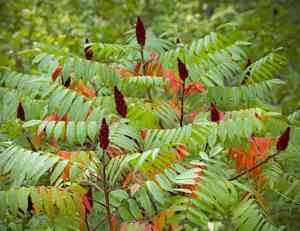
Staghorn sumac brings striking and distinct visual interest to any garden or landscape. Its velvety branches, bright red fruit, and vibrant autumn leaves create a spectacular display of colors and textures. It's a superb choice for establishing attractive focal points or adding a natural look to garden borders.
What Are the Nutritional and Culinary Applications of Staghorn Sumac?
Crafting Refreshing Beverages
The berries of Staghorn sumac can be gathered and used to prepare a delightful and tangy drink. Simply steep the berries in cold water, strain the liquid, and sweeten to your preference. This naturally caffeine-free beverage is invigorating and can be enjoyed hot or chilled.
Aromatic Seasonings for Cooking
Dried Staghorn sumac berries can be ground into a flavorful spice commonly utilized in Middle Eastern cuisine. This spice imparts a lemony tang to dishes such as salads, grilled meats, and soups. Its distinctive flavor can elevate your culinary creations, making them both delicious and exotic.
How Does Staghorn Sumac Support Wildlife?
Providing Sustenance for Birds and Pollinators
Staghorn sumac serves as a valuable food source for various animal species. Birds are particularly fond of its berries, which supply essential nutrients during the fall and winter months. Additionally, its blossoms attract pollinators like bees and butterflies, contributing to local biodiversity.
Creating Habitat for Small Creatures
The dense foliage of Staghorn sumac offers excellent shelter and nesting locations for small mammals and insects. This natural environment can help sustain and maintain a healthy ecosystem in your garden, making it a thriving and balanced setting.
Why Is Staghorn Sumac Ideal for Sustainable Landscaping?
Low Maintenance and Drought Resistance
One of the primary advantages of incorporating Staghorn sumac into your landscaping is its minimal upkeep requirements. It is highly tolerant of dry conditions and can flourish in various soil types, reducing the need for frequent watering and soil amendments. This makes Staghorn sumac an excellent choice for sustainable and eco-friendly gardening.
Improving Soil Quality
Staghorn sumac contributes to overall soil health by introducing organic matter through fallen leaves and decomposed root material. This organic matter enriches the soil, enhancing its structure and fertility. Over time, this can lead to healthier plants and a more productive garden.
How to Integrate Staghorn Sumac into Your Garden?
Planting and Care Guidelines
To successfully cultivate Staghorn sumac, select a sunny or partially shaded spot with well-drained soil. Plant during the spring or fall, and water regularly until the plant is established. Once rooted, Staghorn sumac requires minimal attention, but occasional trimming can help maintain its form and promote vigorous growth.
Combining Staghorn Sumac with Other Flora
Staghorn sumac pairs well with a variety of plants, especially those that thrive in similar conditions. Consider combining Staghorn sumac with ornamental grasses, native perennials, and shrubs to create a diverse and visually appealing landscape. Its unique characteristics can complement other plants and enhance the overall beauty of your garden.



