The Evergreen sumac Plant Advantage: Maximizing Home and Office Appeal and Wellness
1
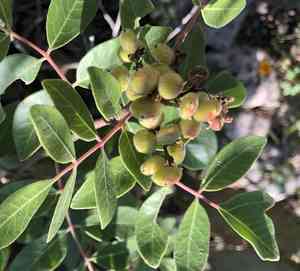
Evergreen sumac is a superb plant for dry conditions, ideal for water-wise landscaping.
2
Its persistent foliage offers continuous visual appeal and seclusion.
3
Evergreen sumac supports local fauna, providing sustenance and refuge for diverse creatures.
Why Select Evergreen Sumac for Your Garden?
Aridity Tolerance and Minimal Upkeep
A key attractive quality of Evergreen sumac is its outstanding drought resilience. Due to its deep root structure, Evergreen sumac flourishes in dry environments with little watering. This makes it a perfect option for xeriscapingâlandscaping focused on water conservation. Furthermore, Evergreen sumac needs little care once established, reducing the demand for frequent gardening tasks and letting you spend more time enjoying your garden.
Year-Round Visual Appeal
Unlike many seasonal plants that shed their leaves or blooms, Evergreen sumac stays green throughout the year. Its rich green foliage offers continuous aesthetic value, making it a versatile addition to any garden design. Whether utilized as a solitary specimen plant or in hedges, Evergreen sumac guarantees a vibrant and healthy appearance, even during colder periods. This constant greenery ensures your garden remains appealing and lively at all times.
Ecological Advantages and Wildlife Support
Soil Stabilization
Evergreen sumac's extensive root system plays a vital role in preventing soil erosion. By anchoring the soil, Evergreen sumac helps preserve the integrity of your landscape, especially on inclines and uneven terrain. This natural method of erosion control not only safeguards your property but also contributes to the environmental sustainability of your garden. It's a straightforward yet effective way to maintain soil health and lessen the impact of wind and water erosion.
Wildlife Habitat and Food Source
Evergreen sumac is a benefit for local wildlife, offering both sustenance and refuge to various species. Birds, butterflies, and small mammals are drawn to its berries and dense foliage, which provide nourishment and protection. By planting Evergreen sumac in your garden, you create a miniature ecosystem that supports biodiversity and fosters a thriving wildlife habitat. This enriches the local ecosystem and provides you with the opportunity to observe and appreciate nature's beauty up close.
Integrating Evergreen Sumac into Your Landscape Design
Creating Boundaries and Hedges
Evergreen sumac can be effectively used to form natural borders and hedges. Its dense growth habit and attractive leaves make it ideal for delineating property lines or establishing private outdoor areas. Whether you're aiming for a formal hedge or a more naturalistic boundary, Evergreen sumac can provide the structure and privacy you need while enhancing the overall aesthetics of your landscape.
Complementing Other Flora
Given its adaptability, Evergreen sumac pairs well with a variety of other plants. Consider combining it with vibrant perennials or other evergreen shrubs to create dynamic and visually appealing plant arrangements. Its neutral green foliage serves as a backdrop that allows other plants to stand out, adding depth and interest to your garden design. Whether you're aiming for a modern or a more traditional garden look, Evergreen sumac can easily be integrated into your existing landscape plan.
Advice for Cultivating Healthy Evergreen Sumac
Optimal Soil Conditions
Evergreen sumac prefers well-draining soil and can tolerate a range of soil types, from sandy to rocky. Ensuring proper drainage is crucial to preventing root rot and other issues. While it can tolerate poor soil, enriching the planting area with organic matter can enhance its growth and overall health. Regular soil testing and amendments will help maintain the ideal conditions for Evergreen sumac, allowing it to thrive and provide its full array of benefits.
Trimming and Maintenance
Pruning Evergreen sumac is relatively simple and can be done to shape the plant or remove any dead or damaged branches. Regular pruning encourages dense growth and maintains the plant's health. Late winter or early spring is the best time for pruning before new growth begins. With minimal effort, Evergreen sumac can retain its attractive form and continue to contribute to the beauty and function of your landscape.
Common Questions About Evergreen Sumac
Is Evergreen Sumac Suitable for Urban Gardens?
Absolutely. Evergreen sumac is well-suited for urban gardens due to its compact size and low maintenance requirements. Its adaptability makes it an excellent choice for city dwellers looking to add green space to their patios, balconies, or small yards. Additionally, its aesthetic appeal and functional benefits like privacy and erosion control make it a valuable addition to any urban garden setting.
Does Evergreen Sumac Attract Pests?
Evergreen sumac is generally pest-resistant, which contributes to its reputation as a low-maintenance plant. While no plant is entirely immune to pests, Evergreen sumac does not commonly attract problematic insects or diseases. Regular monitoring and basic garden hygiene are usually sufficient to keep it healthy. This pest resistance further solidifies its status as an ideal choice for gardeners seeking beauty without the hassle.



