The Red flowering currant Plant Advantage: Maximizing Home and Office Appeal and Wellness
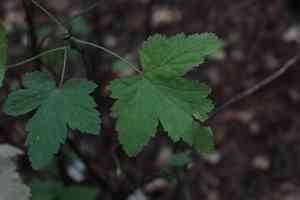
1
The red flowering currant is recognized for its stunning, vivid blossoms that draw in beneficial insects.
2
This species tolerates dry conditions well and needs little upkeep.
3
It offers visual appeal and color throughout the period from early spring into summer.
What Makes Red flowering currant a Distinctive Addition to Your Garden?
Draws in Pollinators
Red flowering currant produces clusters of vivid blossoms that are highly appealing to pollinators such as bees, butterflies, and hummingbirds. These flowers offer a crucial nectar source, aiding in the support of local pollinator populations. By cultivating Red flowering currant in your garden, you contribute to the ecosystem's health by promoting pollination.
Minimal Upkeep Requirements
A key characteristic of Red flowering currant is its drought resilience. Once established, this plant needs very little watering, making it an excellent option for gardeners who prefer low-maintenance landscapes. It thrives in various soil types, though well-drained soil is optimal. Furthermore, Red flowering currant resists many common pests and diseases, reducing the need for chemical treatments.
How Does Red flowering currant Enhance Garden Beauty?
Seasonal Color and Visual Appeal
Red flowering currant offers garden interest across multiple seasons. Its vibrant blooms typically appear from early spring to summer, adding a burst of color during months when many other plants are still dormant. The foliage also provides a lush backdrop that maintains its charm throughout the growing season.
Flexible Landscaping Choices
Whether utilized as a focal point in a garden bed or as part of a mixed shrub border, Red flowering currant is highly adaptable. Its height and spread make it suitable for various garden designs, from cottage gardens to more formal landscapes. The inclusion of Red flowering currant can help create visually balanced and aesthetically pleasing areas.
What Are the Ecological Advantages of Red flowering currant?
Supports Wildlife
Red flowering currant not only attracts pollinators but also provides habitat and sustenance for various wildlife species. Birds, in particular, are drawn to the plant for its appealing berries that ripen in late summer to fall. These berries offer a valuable food source, ensuring that your garden becomes a sanctuary for local bird populations.
Contribution to Biodiversity
Cultivating Red flowering currant supports biodiversity by introducing a native plant species into your garden. Native plants like Red flowering currant are adapted to the local climate and conditions, making them more resilient and beneficial to the local ecosystem compared to non-native species. They provide essential services like soil stabilization, water filtration, and habitat provision.
How to Care for Red flowering currant in Your Garden?
Planting Advice
When planting Red flowering currant, select a location with partial to full sun to ensure optimal growth and blooming. Dig a hole twice as wide and as deep as the root ball, and amend the soil with organic matter if necessary. Space plants appropriately to allow for air circulation and growth.
Pruning and Maintenance
Prune Red flowering currant after the flowering period to maintain its shape and encourage vigorous growth. Remove any dead or damaged branches to prevent disease. While Red flowering currant is low-maintenance, occasional watering during extended dry spells and mulching can help retain soil moisture and suppress weeds.



