The Weeping willow Plant Advantage: Maximizing Home and Office Appeal and Wellness
1
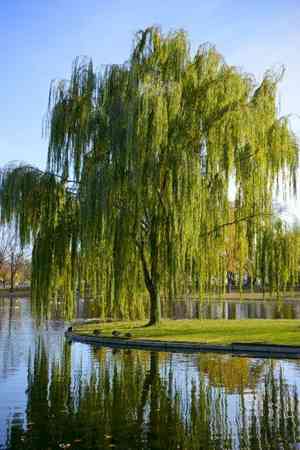
The weeping willow flourishes in damp conditions, making it ideal for saturated ground.
2
Its distinctive drooping branches contribute to the visual charm of any landscape.
3
This tree offers essential shelter and sustenance for local fauna, supporting ecosystem health.
Why is Weeping willow Suited for Saturated Ground?
Suitability for Damp Environments
Weeping willow is exceptionally well-suited for areas with high moisture content. Its root system is designed to flourish in wet soils, preventing erosion and stabilizing the earth. This makes it an excellent choice for planting near water features like ponds, lakes, and rivers, where excess water might otherwise cause problems for other plants.
Preventing Soil Degradation
The extensive root system of Weeping willow plays a vital role in preventing soil degradation. By anchoring the soil, it minimizes the impact of water runoff, reducing the likelihood of landslides and soil displacement. This characteristic is particularly beneficial in areas prone to flooding, where other vegetation might not survive.
How Does Weeping willow Enhance Outdoor Aesthetics?
Distinctive Drooping Branches
One of the most prominent features of Weeping willow is its iconic cascading branches. The drooping limbs create an elegant and tranquil atmosphere, adding a touch of sophistication to any landscape. This natural beauty makes Weeping willow a popular choice in parks, gardens, and residential areas.
Seasonal Allure
Weeping willow offers year-round visual appeal with its changing appearance throughout the seasons. In spring, the tree bursts into life with fresh, green leaves. As autumn approaches, the foliage turns a brilliant golden-yellow, providing a stunning display. Even in winter, the bare branches create a striking silhouette against the sky.
What Environmental Benefits Does Weeping willow Provide?
Wildlife Sanctuary
The dense, leafy canopy of Weeping willow offers refuge and nesting sites for various bird species and small mammals. The tree's proximity to water bodies also means it often harbors aquatic life, contributing to a diverse and balanced ecosystem. The natural habitat provided by Weeping willow supports biodiversity and promotes healthy wildlife populations.
Animal Food Source
Weeping willow produces small fruits and leaves that serve as sustenance for different animals. Many bird species consume the buds and twigs, while larger mammals like deer may browse its leaves. This food supply helps sustain wildlife, especially during times of scarcity, highlighting Weeping willow's role in the ecological food web.
How Can Weeping willow Be Utilized in Landscape Projects?
Creating Natural Screens
Weeping willow can be strategically planted to create natural barriers or privacy screens in gardens and public spaces. Its dense foliage and rapid growth make it an effective natural fence, reducing noise, wind, and offering privacy. This application is particularly useful in urban areas looking to incorporate green solutions to common issues.
Integrating Weeping willow into Design
Landscape designers often use Weeping willow as a focal point due to its distinctive shape and size. Its presence can anchor a garden design, creating a sense of continuity and flow. Pairing Weeping willow with complementary plants can enhance visual interest and provide a cohesive look, making it a versatile addition to various landscaping styles.



