The Mealycup sage Plant Advantage: Maximizing Home and Office Appeal and Wellness
1
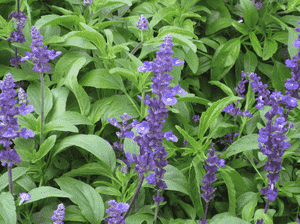
Salvia farinacea is an easy-care plant, ideal for novice gardeners.
2
Its vivid blue blooms draw in beneficial insects such as bees and butterflies.
3
Once rooted, Salvia farinacea tolerates dry conditions, making it an environmentally sound option.
Advantages of Cultivating Mealycup Sage
Draws Beneficial Pollinators
A key characteristic of Mealycup sage is its capacity to attract helpful pollinators like bees and butterflies. These insects are vital for garden health, assisting in the pollination of various flora. By integrating Mealycup sage, you not only add beauty but also support local ecosystems.
Effortless Upkeep and Simple to Grow
Mealycup sage is an excellent option for those desiring a lovely garden without the burden of high-maintenance plants. It flourishes in well-drained soil and full sun, needing minimal irrigation once established. This makes it ideal for individuals aiming to conserve water or residing in drought-prone regions.
Cultivating and Caring for Mealycup Sage
Planting Mealycup Sage
When planting Mealycup sage, timing is critical. The optimal period for planting is in spring, following the last frost. Select a sunny spot with well-drained soil. Dig a hole twice the root ball's width but not deeper. Position the plant and backfill with soil, ensuring thorough watering to aid root establishment.
Maintaining Mealycup Sage
Caring for Mealycup sage is quite straightforward. Water consistently during its initial growth season to develop a deep, extensive root system. Once established, reduce watering frequency but keep the soil slightly moist. Prune annually to remove dead or faded blooms, encouraging new growth and maintaining its vibrant look.
Can Mealycup Sage Thrive in Containers?
Potting Mealycup Sage
Yes, Mealycup sage can be successfully grown in pots, making it a versatile addition to patios, balconies, and smaller areas. Choose a large container with drainage holes to prevent waterlogging. Use quality potting mix and place the pot in a sunny location. Ensure regular watering, as container plants dry out faster than those in the ground.
Advantages of Container Gardening
Container gardening with Mealycup sage offers several benefits. It allows you to relocate the plant to different spots for maximum sun exposure and protection from harsh weather. Additionally, it provides an opportunity to create attractive, movable displays that can enhance any outdoor living space.
Which Companion Plants Pair Well with Mealycup Sage?
Optimal Companion Plants
Mealycup sage complements various other garden plants. Consider planting it alongside ornamental grasses, black-eyed Susans, and lavender for a visually appealing combination. These plants share similar growing conditions and can thrive together, creating a harmonious and low-maintenance garden.
Benefits of Companion Planting
Companion planting with Mealycup sage offers numerous advantages, including improved pest control, enhanced growth, and increased biodiversity. By selecting plants that complement each other, you can create a garden that is not only beautiful but also more resilient to pests and diseases.
Addressing Common Issues with Mealycup Sage
Pest and Disease Management
Mealycup sage is generally resistant to pests and diseases; however, it can occasionally encounter issues such as aphids or powdery mildew. Aphids can be managed by spraying the plant with a mixture of water and mild soap, while powdery mildew can be prevented by ensuring proper air circulation and avoiding overhead watering.
Environmental Challenges
Mealycup sage is well-adapted to various environmental conditions, but extreme weather changes can still pose a challenge. During prolonged droughts, supplemental watering may be necessary. In colder climates, mulching around the base can help protect the plant's roots from freezing temperatures.



