The Autumn sage Plant Advantage: Maximizing Home and Office Appeal and Wellness
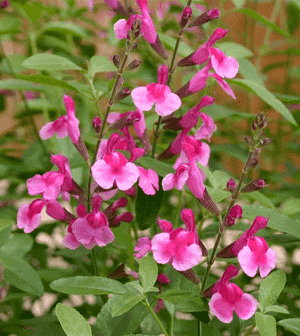
1
Salvia greggii draws helpful pollinators such as bees and hummingbirds.
2
Salvia greggii tolerates dry conditions and flourishes in soil that drains effectively.
3
Salvia greggii offers vivid seasonal hues through its attractive blooms.
Why Incorporate Autumn Sage into Your Garden Design?
Boosting Your Garden's Ecosystem
Autumn sage is well-known for attracting various beneficial pollinators, such as bees, butterflies, and hummingbirds. These pollinators are vital for garden health, assisting in the fertilization of other plants and fostering a flourishing ecosystem. By cultivating Autumn sage, you can establish a sanctuary for these crucial creatures, promoting biodiversity and enhancing your garden's overall vitality.
Effortless Upkeep and Drought Resistance
A key characteristic of Autumn sage is its impressive ability to withstand drought. This plant flourishes in well-drained soil and can endure dry spells, making it an excellent option for gardeners in areas with water restrictions or those aiming to conserve water. With Autumn sage, you can enjoy a vibrant garden without constant irrigation, saving both time and resources.
What Makes Autumn Sage a Flexible Option for Gardeners?
Seasonal Visual Appeal
Autumn sage is celebrated for its striking flowers that bloom in diverse hues, from deep reds and pinks to vivid oranges and purples. These blossoms provide a burst of seasonal color, enhancing your garden's visual charm throughout the growing period. Whether utilized as a border plant, in container gardens, or as part of a mixed perennial bed, Autumn sage adds a dynamic visual element that can transform any outdoor space.
Adaptability to Diverse Garden Environments
Autumn sage is highly adaptable, capable of thriving in various garden conditions. It prefers well-drained soil but can grow in both full sun and partial shade, offering flexibility in placement. Additionally, Autumn sage can tolerate a range of temperatures, making it suitable for different climates. This versatility ensures gardeners can enjoy the beauty and benefits of Autumn sage regardless of their specific environmental factors.
How to Nurture and Maintain Your Autumn Sage Plants
Planting and Soil Needs
When planting Autumn sage, choose a location with well-drained soil to prevent root rot and other moisture-related issues. If your garden soil is heavy or clay-like, consider amending it with organic matter to improve drainage. Plant Autumn sage in an area that receives ample sunlight, though it can tolerate partial shade. Ensure adequate spacing between plants to promote air circulation and reduce the risk of fungal diseases.
Trimming and Deadheading
Regular trimming and deadheading can help maintain the form and health of your Autumn sage plants. Prune back the plant in early spring to encourage new growth and remove any winter damage. Deadheading, or removing spent flowers, can extend the blooming period and keep the plant looking neat. Depending on the variety, you may also choose to cut back the plant in late fall to prepare it for the winter season.



