The Cotton lavender Plant Advantage: Maximizing Home and Office Appeal and Wellness
1
Cotton lavender tolerates dry conditions well, making it ideal for water-wise landscaping.
2
It naturally repels pests, assisting in deterring undesirable insects.
3
Featuring silver leaves and vibrant yellow blooms, Cotton lavender enhances garden aesthetics with color and texture.
Why Cotton Lavender is an Excellent Choice for Your Garden
Resilience to Dry Conditions
A key characteristic of Cotton lavender is its remarkable ability to withstand drought. This plant flourishes in arid, sunny environments and needs little water once established. Its deep root system efficiently extracts moisture from the soil, making it perfect for areas with water restrictions or for gardeners aiming to conserve water. By cultivating Cotton lavender, you can have a lush, vibrant garden without constant irrigation.
Natural Pest Repellent
Another significant benefit of Cotton lavender is its function as a natural pest deterrent. The plant emits a distinct scent that wards off various common garden pests, including aphids, spider mites, and moths. Incorporating Cotton lavender into your garden can lessen the need for chemical pesticides, fostering a healthier and more environmentally friendly gardening space. Furthermore, its pest-repelling qualities make it an excellent companion plant when situated near more vulnerable species.
How Cotton Lavender Can Improve Your Home's Appearance
Silver Leaves and Bright Flowers
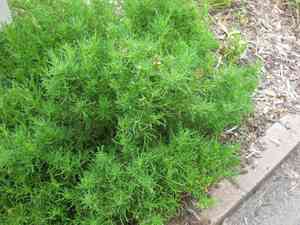
The visual appeal of Cotton lavender is undeniable, with its unique silvery foliage and vivid yellow blooms offering a burst of color and texture. The plant's leaves remain visually striking throughout the year, while its flowers add a splash of color during the flowering period. This makes Cotton lavender a superb addition to both formal and informal garden designs, as well as a beautiful element in decorative containers for patios or balconies.
Flexible Landscaping Options
Regarding landscaping, Cotton lavender provides adaptable choices. Its low-growing, bushy form makes it ideal for use as ground cover, border edging along paths, or filling in gaps in rock gardens. Moreover, its compact size and attractive look make it an excellent candidate for container gardening. By integrating Cotton lavender into your landscape design, you can enhance the visual charm and practicality of your outdoor areas.
Are There Practical Applications for Cotton Lavender Indoors?
Organic Air Freshener
Beyond its garden advantages, Cotton lavender can serve practical purposes inside your home. When dried and used in sachets or potpourri, the plant's fragrant leaves and flowers act as a natural air freshener. Placing these sachets in closets, drawers, or even your car can help maintain a pleasant and fresh scent in enclosed spaces. This not only improves your home's aroma but also utilizes the plant's natural properties without artificial fragrances.
Crafting and Decorating
Cotton lavender can also be used for various craft and decorative projects. The dried foliage and flowers can be woven into wreaths, garlands, or other ornamental items, adding a rustic and natural touch to your home decor. These handmade decorations can be customized to suit different themes and occasions, making Cotton lavender a versatile resource for creative and seasonal home embellishments.
Caring for Cotton Lavender in Your Garden and Home
Planting and Soil Needs
To ensure the robust growth of Cotton lavender, it's crucial to understand its planting and soil requirements. This plant prefers well-drained soil and full sun exposure. Before planting, ensure your soil is sandy or loamy and amend it with compost if necessary to improve drainage. Space the plants adequately to allow air circulation and prevent overcrowding, which can lead to fungal issues.
Watering and Upkeep
Once established, Cotton lavender needs minimal watering. Water the plant deeply but infrequently, allowing the soil to dry out between waterings. Overwatering can cause root rot and other health problems. Regularly prune the plant after the blooming season to maintain its shape and encourage new growth. Additionally, mulching around the plant's base can help retain soil moisture and suppress weeds.



