The Rock soapwort Plant Advantage: Maximizing Home and Office Appeal and Wellness
1
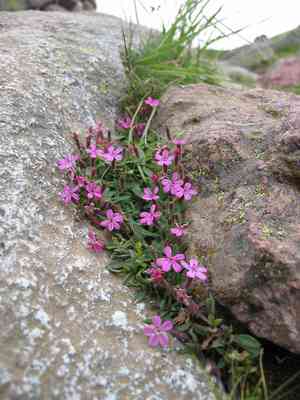
Yields lovely pink blooms, ideal for covering ground.
2
Thrives effortlessly in stony or nutrient-deficient soils.
3
Historically employed for cleansing because of its saponin levels.
Why Cultivate Rock Soapwort in Your Garden Space?
Aesthetic Charm
Rock soapwort produces clusters of small, pink blossoms that can brighten any garden. These flowers bloom from late spring to early summer, offering continuous vibrant appeal. The plant's ability to spread extensively makes it an excellent ground cover, providing a lush, carpet-like appearance.
Minimal Upkeep
One of the notable attributes of Rock soapwort is its capacity to flourish in poor soil conditions. It demands little care, making it ideal for gardeners who prefer plants requiring minimal attention. The plant's drought resistance also means it needs less watering compared to other plants, saving time and resources.
What Are the Traditional Applications of Rock Soapwort?
Cleansing Agent
Historically, Rock soapwort has been utilized as a natural cleaning substance. This is due to the plant's saponin content, which generates a lather when mixed with water. Traditional practices often involved using the plant to clean various household items as well as for personal washing of clothes and linens.
Soil Erosion Management
The extensive root system of Rock soapwort aids in controlling soil erosion, particularly on slopes and embankments. The plant stabilizes the soil, making it an excellent choice for areas susceptible to erosion, thereby safeguarding the land and supporting environmental sustainability.
How Does Rock Soapwort Benefit Local Ecosystems?
Fostering Biodiversity
Rock soapwort contributes to promoting biodiversity by offering habitat and nectar for pollinators such as bees and butterflies. Its widespread flowering also attracts beneficial insects, which contribute to a healthier garden ecosystem.
Natural Weed Suppression
As a dense ground cover, Rock soapwort effectively inhibits the growth of weeds. This natural method of weed control reduces the need for chemical herbicides, making gardening more environmentally friendly and sustainable.
How Can You Integrate Rock Soapwort into Your Landscape Design?
Stone Gardens
Rock soapwort is ideal for rock gardens, where its creeping habit and bright flowers can soften the stark appearance of stones. It thrives in rocky environments, making it a favorable option for adding color and vitality to such landscapes.
Borders and Edges
Plant Rock soapwort along the borders and edges of your garden beds to create a visually pleasing frame. The plant's sprawling nature can conceal unattractive garden borders, providing a seamless transition between different sections of your garden.
What Are the Optimal Growing Conditions for Rock Soapwort?
Sunlight and Soil
Rock soapwort prefers full sun or light shade to thrive. It adapts well to various soil types, though it flourishes best in well-drained soils. Whether planted in rocky, sandy, or clay soils, Rock soapwort exhibits remarkable resilience and adaptability.
Watering and Trimming
While Rock soapwort is drought-tolerant, it's essential to water it during extended dry periods to maintain its health. Pruning can help in preserving its shape and encourage more vigorous growth. After flowering, a trim will keep the plant looking tidy and promote dense foliage.



