The Little bluestem Plant Advantage: Maximizing Home and Office Appeal and Wellness
1
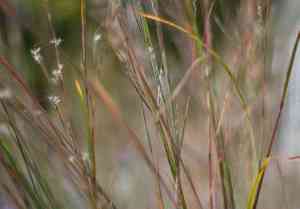
Schizachyrium scoparium is an easy-to-care-for, arid-resistant grass ideal for eco-friendly garden designs.
2
It offers essential living space for numerous indigenous animal varieties.
3
Schizachyrium scoparium aids in stopping soil degradation and preserves ground vitality.
Why Select Little Bluestem for Your Outdoor Space?
Minimal Upkeep and Drought Tolerance
When choosing plants for a garden or outdoor area, maintenance is a key factor. Little bluestem is known for its minimal care requirements once established. This makes it a practical option for those aiming to reduce water use and garden upkeep frequency. Its deep root system allows it to access water deep in the ground, making it especially resistant to dry spells.
Visual Charm
Beyond its practical advantages, Little bluestem enhances the beauty of landscapes. Its fine-textured leaves and varied huesâfrom green to blue, and even reddish-brown in autumnâadd vibrant appeal to any garden. It can serve as a focal point or as part of a mixed border, offering visual interest throughout the year.
Benefits of Native Plants
Integrating indigenous plants like Little bluestem into landscapes aids in preserving local ecosystems. Native plants are adapted to regional climate conditions and soil types, making them more resilient and supportive of local wildlife. Little bluestem is no exception, providing sustenance and shelter for various native species, including birds and insects.
Ecological Contributions of Little Bluestem
Prevents Soil Erosion
Little bluestem is particularly effective at preventing soil erosion. Its extensive root system not only helps secure the soil but also improves soil structure over time. This makes it an ideal plant for stabilizing slopes and other areas prone to erosion.
Supports Wildlife Habitats
Little bluestem plays a vital role in sustaining native wildlife populations. Its dense foliage offers refuge for small mammals, birds, and beneficial insects. Additionally, it serves as a food source during various stages of these animalsâ life cycles, thereby helping to maintain balanced ecosystems.
Restores Soil Health
Healthy soil is crucial for any ecological restoration project, and Little bluestem significantly contributes to this goal. The plantâs deep roots aerate the soil, promote microbial activity, and increase organic matter, all of which are key factors in restoring soil health and fertility.
How to Integrate Little Bluestem Into Your Landscape
Optimal Growing Conditions
Little bluestem thrives in various soil types, from sandy to clayey. It prefers full sun but can also tolerate partial shade. Understanding these growing conditions can help you place the plant in optimal locations within your landscape.
Design Concepts
There are many creative ways to incorporate Little bluestem into your garden design. Use it as a border plant along pathways, group it in clusters for a meadow-like effect, or mix it with other native perennials for a diverse planting scheme. Its versatility allows it to fit into various landscape styles, from formal gardens to naturalistic settings.
Care Guidelines
Although Little bluestem is low-maintenance, a little care will ensure it continues to thrive. Check for overcrowding every few years and divide the plants if necessary. Deadheading or cutting back the foliage in late winter can also promote healthier, more vigorous growth in the spring.



