The Siberian squill Plant Advantage: Maximizing Home and Office Appeal and Wellness
1
Siberian squill flourishes in chilly environments and needs little upkeep.
2
This flora provides environmental advantages by aiding pollinators.
3
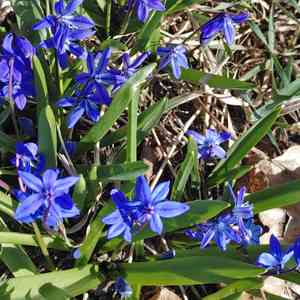
It's recognized for its vivid blue blossoms that improve garden beauty.
What Makes Siberian squill So Special?
Hardy Growth in Cold Climates
A key feature of Siberian squill is its capacity to flourish in chilly conditions. Unlike many plants needing specific climates, Siberian squill is renowned for its toughness. This makes it an ideal selection for gardens in temperate and colder areas, offering year-round greenery without extensive upkeep. Its bulbs are especially robust, able to endure harsh winters and emerge at spring's first sign.
Minimal Maintenance Requirements
Siberian squill is a low-upkeep plant, suitable for both new and experienced gardeners. It demands very little in terms of soil preparation and can grow in various soil types, provided they drain well. This ease of care extends to its watering needs; Siberian squill only requires occasional watering, making it an environmentally friendly option for water-conscious gardeners.
Ecological Benefits
Beyond its visual charm, Siberian squill provides several ecological advantages. It draws in pollinators like bees and butterflies, playing a vital role in supporting local ecosystems. This makes it an excellent addition to pollinator gardens or ecological landscaping projects. By offering nectar early in spring, Siberian squill helps sustain these crucial insects during a critical period of the year.
Aesthetic Appeal
When it comes to visual appeal, few plants can rival the striking beauty of Siberian squill. Its vibrant blue flowers are not only captivating but also provide a burst of color that can brighten any garden space. These blooms often appear in clusters, creating a carpet-like effect that is particularly stunning when planted en masse. This makes Siberian squill an excellent choice for ground cover or border planting.
How to Grow Siberian squill in Your Garden?
Ideal Planting Conditions
Siberian squill thrives in well-drained soil with a neutral to slightly acidic pH. Plant the bulbs in autumn, approximately 3-4 inches deep and 2-3 inches apart. Select a location that receives full sun to partial shade, as this will promote optimal growth and flowering.
Watering and Fertilizing Tips
Once established, Siberian squill needs minimal watering. However, during extended dry periods, occasional irrigation can help maintain its health. Regarding fertilizing, a balanced, slow-release fertilizer applied in spring can supply the necessary nutrients for vigorous growth. Avoid over-fertilizing, as this can cause leaf burn and reduce the plant's overall vitality.
Pest and Disease Management
Siberian squill is relatively resistant to pests and diseases, making it a low-risk addition to your garden. However, it's always wise to monitor for common issues such as bulb rot, which can occur in poorly-drained soils. If you notice any problems, addressing them promptly with appropriate treatments can ensure the longevity and health of your plants.
Can Siberian squill Be Used in Landscaping Projects?
Creating Pollinator-Friendly Gardens
Given its attraction to pollinators, Siberian squill is an excellent choice for establishing pollinator-friendly gardens. Planting it alongside other nectar-rich flowers can create a sanctuary for bees, butterflies, and other insects. This not only aids in protecting these vital species but also enhances your garden's biodiversity.
Ground Cover and Border Planting
Siberian squill's compact size and abundant blooming make it an ideal candidate for ground cover and border planting. Its ability to spread and form dense clusters means it can effectively cover bare ground, reducing soil erosion and suppressing weeds. Additionally, its aesthetic appeal makes it a great choice for edging paths, driveways, and garden beds.
Complementary Plant Pairings
Siberian squill pairs well with various other plants, especially spring-blooming species like tulips, hyacinths, and daffodils. These combinations can create a stunning, multi-layered effect in your garden, with different colors and heights adding visual interest. When planting, consider the bloom times and growth habits of each species to ensure a harmonious display throughout the growing season.
Why Should You Choose Siberian squill for Your Garden?
Environmental Sustainability
Opting for Siberian squill in your garden is a step towards environmental sustainability. Its low water and maintenance needs make it an eco-friendly choice that can reduce your garden's overall resource consumption. Furthermore, by attracting pollinators, it helps support local ecosystems and biodiversity.
Versatile Garden Applications
Whether you aim to add a splash of color, cover bare ground, or support local wildlife, Siberian squill offers a versatile solution. Its array of benefits and ease of care make it a valuable addition to any garden, regardless of size or style. From small urban gardens to expansive rural landscapes, this plant can enhance and improve any outdoor space.



