The White stonecrop Plant Advantage: Maximizing Home and Office Appeal and Wellness
1
This botanical specimen flourishes in permeable substrates and tolerates arid conditions.
2
It offers a lively ground layer for xeriscapes and vegetated rooftops.
3
Recognized for requiring minimal upkeep, it's perfect for city horticulture.
Benefits of Incorporating White Stonecrop into Your Garden
Drought Tolerance and Minimal Water Needs
White stonecrop is renowned for its remarkable ability to withstand dry conditions. Originating from arid, rocky environments, this plant has evolved to efficiently conserve water, making it an excellent choice for gardens in dry and semi-arid regions. Its succulent leaves store moisture, enabling it to flourish even during extended periods of drought. This characteristic significantly reduces the necessity for frequent irrigation, aiding in water conservation while maintaining a lush garden.
Versatile Ground Cover Solution
A key attribute of White stonecrop is its effectiveness as a vibrant ground cover. Its dense, mat-forming growth habit efficiently suppresses weeds and creates an attractive green carpet. This plant is particularly well-suited for rock gardens, where its creeping stems can easily spread among stones and crevices. The evergreen nature of White stonecrop ensures year-round coverage, adding a touch of greenery to your garden even in colder months.
Aesthetic and Ecological Advantages
Enhancing Visual Appeal
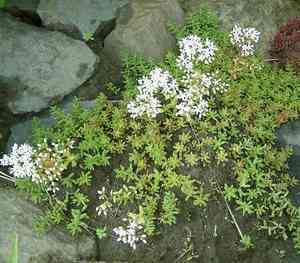
White stonecrop possesses numerous charming qualities that make it a favorite among gardeners. Its small, star-shaped white flowers bloom from late spring to early summer, lending a delicate and ethereal quality to your garden. The foliage, which varies from green to reddish hues depending on environmental factors, further boosts its aesthetic charm. Planting White stonecrop in clusters can create striking visual contrasts and patterns, contributing to the overall beauty of the landscape.
Attracting Beneficial Pollinators
Beyond its visual charm, White stonecrop plays a vital ecological role by drawing in pollinators. Its flowers produce nectar, a valuable food source for various insects, including bees and butterflies. By cultivating White stonecrop in your garden, you support local biodiversity and contribute to the health of pollinator populations. This symbiotic relationship not only benefits insects but also promotes the pollination of other plants in your garden, leading to a healthier and more productive ecosystem.
Practical Applications in Urban Gardening
Green Roofs and Living Walls
In urban areas where green space is limited, White stonecrop proves to be an invaluable asset. Its capacity to thrive in shallow soils and under harsh conditions makes it an ideal candidate for green roofs and living walls. Green roofs, designed to mitigate urban heat islands and improve air quality, greatly benefit from the resilient nature of White stonecrop. Its low maintenance requirements and pest resistance make it a sustainable option for urban gardening projects.
Low-Maintenance Landscaping
Modern lifestyles often leave little time for intensive garden upkeep. Fortunately, White stonecrop requires minimal care, making it perfect for busy individuals and city dwellers. Its slow growth rate means less frequent trimming, and its natural resistance to pests and diseases reduces the need for chemical interventions. A simple routine of occasional watering and periodic weeding is generally sufficient to keep this plant healthy and vibrant.
Cultivation and Care Guide for White Stonecrop
Optimal Growing Conditions
To ensure the successful growth of White stonecrop, it's crucial to mimic its natural habitat as closely as possible. This plant thrives in well-drained soils, making it essential to avoid waterlogged conditions. A soil mix with good drainage properties, such as sandy or rocky soil, is ideal. Full sun exposure is preferred, though White stonecrop can tolerate partial shade. Ensuring adequate spacing between plants will promote healthy air circulation and prevent overcrowding.
Propagation Methods
Propagating White stonecrop is relatively straightforward and can be achieved through cuttings or division. For cuttings, simply snip a healthy stem and allow it to form a callus for a day or two before planting it in well-drained soil. Water sparingly until roots develop. Division involves carefully separating a clump of White stonecrop and replanting the sections in new locations. Both methods are highly effective and can help you expand your garden with minimal effort.



