The Coast redwood Plant Advantage: Maximizing Home and Office Appeal and Wellness
1
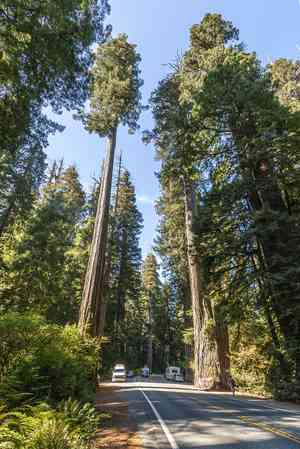
The Coast redwood has a lifespan exceeding two millennia, positioning them among the planet's most ancient organisms.
2
Coast redwood serves as a crucial carbon absorber, contributing to the reduction of climate change effects.
3
The outer layer of Coast redwood possesses inherent qualities that resist fire.
How Does Coast redwood Contribute to Environmental Health?
Carbon Sequestration
A key environmental contribution of Coast redwood is its capacity to sequester carbon. This tree absorbs significant atmospheric CO2, storing it within its large trunk, branches, and roots. Consequently, Coast redwood plays a vital role in mitigating climate change by lowering greenhouse gas concentrations.
Soil Preservation
Coast redwood also aids in soil preservation by preventing erosion. The extensive root systems of these trees stabilize the earth, minimizing landslide risks and maintaining forest floor integrity. This function is crucial for sustaining the health of nearby plant communities and local water quality.
What Are the Ecological Benefits of Coast redwood?
Biodiversity Support
The towering presence of Coast redwood creates a unique microhabitat that supports remarkable biodiversity. Numerous insect, bird, and mammal species rely on Coast redwood for shelter, food, and breeding sites. The dense canopy offers protection and living space for various creatures vulnerable to predators and environmental challenges.
Fire Resistance
Coast redwood possesses naturally fire-resistant bark, making it incredibly resilient to wildfires. This characteristic not only helps the tree survive but also safeguards the surrounding ecosystem. By enduring fires, Coast redwood enables quicker forest recovery and maintains ecological stability.
How Does Coast redwood Benefit Human Communities?
Recreational Opportunities
Coast redwood forests offer abundant recreational opportunities for people. From hiking and bird-watching to educational tours, these forests provide a tranquil setting that promotes physical activity and mental well-being. The allure of these majestic trees draws countless visitors, boosting local tourism and contributing to the local economy.
Aesthetic and Cultural Value
The cultural importance of Coast redwood is immense. Often depicted in art, literature, and folklore, this tree symbolizes endurance and natural beauty. Furthermore, the aesthetic value of Coast redwood fosters a deeper appreciation for conservation efforts, encouraging communities to engage more actively in preserving natural habitats.
What Are the Indirect Benefits of Coast redwood?
Water Regulation
Another essential role of Coast redwood is in water regulation. These trees influence local hydrology by intercepting rainfall and facilitating groundwater recharge. This process helps maintain stream flows and supports aquatic life, thereby sustaining ecosystems beyond just the forest.
Climate Moderation
Coast redwood also assists in climate moderation by providing substantial canopy cover. This canopy reduces temperatures in surrounding areas, making them cooler and more comfortable for both humans and wildlife. Additionally, the shade from Coast redwood can lessen the need for artificial cooling in nearby urban areas, leading to energy savings.
How Can We Ensure the Survival of Coast redwood?
Conservation Efforts
Ensuring Coast redwood's survival depends on robust conservation efforts. Protecting existing forests from logging and development is crucial. Establishing protected areas and promoting sustainable forestry practices can help maintain Coast redwood populations and other native species.
Community Engagement
Public awareness and community involvement are vital for Coast redwood's preservation. Educational programs, conservation initiatives, and community outreach can significantly influence public attitudes toward this tree's importance. Collaborative efforts can lead to a more sustainable coexistence between humans and these incredible natural giants.



