The Cup plant Plant Advantage: Maximizing Home and Office Appeal and Wellness
1
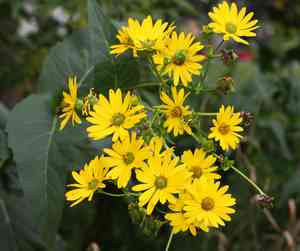
Cup plant draws in numerous helpful pollinators.
2
Cup plant aids in preventing soil loss due to its strong root network.
3
This plant offers inherent water purification advantages in garden water features.
What Are the Ecological Advantages of Cup plant?
Supporting Pollinators
A key advantage of Cup plant is its capacity to draw in a wide range of pollinators. Bees, butterflies, and other beneficial insects are attracted to its bright yellow blossoms, making it a vital plant for fostering local biodiversity. By hosting these pollinators, your garden becomes a haven for essential species that contribute to the health of your entire ecosystem.
Soil Erosion Control
Cup plant is also recognized for its excellent ability to control soil erosion. Its strong and extensive root system helps stabilize the soil, preventing erosion, especially in areas prone to heavy rainfall. This characteristic makes it an ideal plant for slopes, stream banks, and other erosion-susceptible locations, contributing to a more sustainable landscape.
Natural Water Filtration
Another impressive ecological benefit of Cup plant is its capacity to filter water. When planted near garden ponds or water features, it can assist in purifying the water by absorbing excess nutrients and contaminants. This natural filtration process results in cleaner, healthier water bodies, benefiting both plants and animals in the surrounding environment.
How Does Cup plant Enhance Garden Aesthetics?
Long-Lasting Blooms
Cup plant is known for its enduring and vibrant flowers that can beautify any garden. Its striking yellow blooms appear from mid-summer to early fall, providing a prolonged burst of color. This extended flowering period ensures that your garden remains visually appealing for a significant portion of the year.
Creating Vertical Interest
Reaching heights of up to eight feet, Cup plant can introduce vertical dimension to your garden design. Its commanding presence can establish a sense of structure and depth, making it an excellent choice for back borders or as a focal point in garden layouts. Additionally, this upright growth habit can offer a natural screen or windbreak, adding both aesthetic and practical value to your garden.
Complementing Other Plants
Cup plant complements a variety of other plants, making it a versatile addition to mixed garden beds. Its bold yellow flowers contrast beautifully with other perennials like purple coneflowers or Russian sage, enhancing the overall visual appeal of your garden. This compatibility with other plants allows it to fit seamlessly into diverse garden styles, from formal to cottage gardens.
What Functional Roles Does Cup plant Play in the Garden?
Wildlife Habitat
Cup plant doesn't just attract pollinators; it also provides a home for a variety of wildlife. Birds and small mammals find shelter and food among its sturdy stems and foliage. This added layer of ecological support makes your garden a more dynamic and lively space, promoting a healthy balance of flora and fauna.
Low Maintenance Needs
For gardeners seeking low-maintenance options, Cup plant fits the bill perfectly. It is highly resilient, resistant to pests, and can thrive in a range of soil conditions. Once established, it requires minimal care, making it an excellent choice for both novice and experienced gardeners who prefer a low-effort yet rewarding plant.
Seasonal Interest
Beyond its summer blooms, Cup plant adds seasonal appeal to your garden. In the fall, its foliage turns a rich golden color, and the seed heads provide visual intrigue throughout the winter months. This year-round charm ensures that your garden remains engaging and vibrant through all seasons.



